


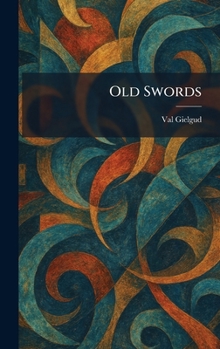
Old Swords

"Old Swords" is a compelling historical adventure that explores the turbulent history of Poland through the lens of family honor and national struggle. Set against the backdrop of shifting borders and the persistent fight for independence, the narrative follows the destinies of men and women bound by the weight of their lineage and the sharp edge of the blade. Val Gielgud crafts a vivid tapestry of military life and clandestine resistance, capturing the spirit of a nation under the shadow of foreign empires.
The story delves into the complex dynamics of loyalty and sacrifice, painting a portrait of the Polish aristocracy and peasantry alike as they navigate the treacherous landscape of the nineteenth and early twentieth centuries. With its focus on the interplay between personal ambition and patriotic duty, "Old Swords" offers a dramatic exploration of the martial traditions that defined a continent. This work remains a significant example of early twentieth-century historical fiction, blending romanticism with the grim realities of conflict to create a timeless tale of resilience and the enduring power of the past.
This work has been selected by scholars as being culturally important, and is part of the knowledge base of civilization as we know it. This work was reproduced from the original artifact, and remains as true to the original work as possible. Therefore, you may see the original copyright references, library stamps (as most of these works have been housed in our most important libraries around the world), and other notations in the work.
This work is in the public domain in the United States of America, and possibly other nations. Within the United States, you may freely copy and distribute this work, as no entity (individual or corporate) has a copyright on the body of the work.
As a reproduction of a historical artifact, this work may contain missing or blurred pages, poor pictures, errant marks, etc. Scholars believe, and we concur, that this work is important enough to be preserved, reproduced, and made generally available to the public. We appreciate your support of the preservation process, and thank you for being an important part of keeping this knowledge alive and relevant.
Customer Reviews
ThriftBooks ® and the ThriftBooks ® logo are registered trademarks of Thrift Books Global, LLC
