


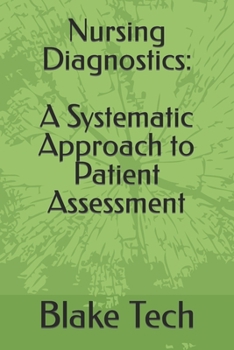
Nursing Diagnostics: A Systematic Approach to Patient Assessment
No Customer Reviews

Nursing Diagnostics: A Systematic Approach to Patient Assessment The role of nursing diagnostics in patient care is to provide a framework for nurses to assess, plan, and implement care for their patients. Nursing diagnoses provide a way for nurses to communicate their assessment of a patient's condition and to share their plan of care with other members of the healthcare team. They also provide a way for nurses to document the care they have provided to a patient. The book covers the following: Chapter 1: Introduction to Nursing Diagnostics and Assessment
1.1 The Role of Nursing Diagnostics in Patient Care
1.2 The Nursing Process and Assessment
1.3 Critical Thinking in Nursing Diagnostics
1.4 Legal and Ethical Considerations in Patient Assessment
1.5 Documentation and Communication in Nursing Diagnostics Chapter 2: Health History and Interviewing Techniques
2.1 Obtaining a Comprehensive Health History
2.2 Communication Skills and Active Listening in getting Comprehensive Health History
2.3 Cultural Considerations in Patient Interviewing
2.4 Interviewing Techniques for Specific Patient Populations
2.5 Documenting the Health History of Patients Chapter 3: Physical Assessment Techniques
3.1 Inspection: Visual Examination
3.2 Palpation: Assessing by Touch
3.3 Percussion: Tapping for Sounds and Vibrations
3.4 Auscultation: Listening with a Stethoscope
3.5 Advanced Assessment Techniques (e.g., Neurological, Cardiovascular) Chapter 4: General Assessment and Vital Signs
4.1 Assessing General Appearance and Mental Status
4.2 Measuring and Interpreting Vital Signs
4.3 Assessing Pain and Comfort
4.4 Monitoring Oxygenation and Respiratory Status
4.5 Evaluating Nutritional Status and Fluid Balance Chapter 5: Integumentary System Assessment
5.1 Assessing Skin Integrity and Wound Care
5.2 Identifying Skin Lesions and Rashes
5.3 Assessing Hair and Nail Health
5.4 Evaluating Peripheral Circulation
5.5 Pressure Ulcer Risk Assessment and Prevention Chapter 6: Cardiovascular System Assessment
6.1 Assessing Cardiac Function and Auscultation
6.2 Monitoring Blood Pressure and Peripheral Pulses
6.3 Assessing Peripheral Edema and Capillary Refill
6.4 Evaluating Cardiac Output and Fluid Volume Status
6.5 Assessing Chest Pain and Cardiac Risk Factors Chapter 7: Respiratory System Assessment
7.1 Assessing Respiratory Effort and Breath Sounds
7.2 Monitoring Oxygen Saturation and Pulse Oximetry
7.3 Assessing Cough and Sputum Production
7.4 Evaluating Respiratory Distress and Airway Patency
7.5 Pulmonary Function Testing and Spirometry Chapter 8: Gastrointestinal System Assessment
8.1 Assessing Abdominal Pain and Bowel Sounds
8.2 Evaluating Digestive Function and Bowel Elimination
8.3 Monitoring Nutritional Status and Dietary Patterns
8.4 Assessing Liver and Gallbladder Function
8.5 Assessing Nutrient Absorption and Metabolic Disorders Chapter 9: Urinary System Assessment
9.1 Assessing Renal Function and Urine Output
9.2 Monitoring Fluid and Electrolyte Balance
9.3 Evaluating Kidney Function and Urinary Elimination
9.4 Assessing Urinary Incontinence and Retention
9.5 Identifying Urinary Tract Infections and Disorders Chapter 10: Musculoskeletal System Assessment
10.1 Assessing Range of Motion and Mobility
10.2 Evaluating Muscle Strength and Joint Function
10.3 Assessing Bone Integrity and Fractures
10.4 Monitoring Posture and Gait
10.5 Assessing Musculoskeletal Pain and Disorders Chapter 11: Neurological System Assessment Chapter 12: Pediatric and Geriatric Assessment Considerations
1.1 The Role of Nursing Diagnostics in Patient Care
1.2 The Nursing Process and Assessment
1.3 Critical Thinking in Nursing Diagnostics
1.4 Legal and Ethical Considerations in Patient Assessment
1.5 Documentation and Communication in Nursing Diagnostics Chapter 2: Health History and Interviewing Techniques
2.1 Obtaining a Comprehensive Health History
2.2 Communication Skills and Active Listening in getting Comprehensive Health History
2.3 Cultural Considerations in Patient Interviewing
2.4 Interviewing Techniques for Specific Patient Populations
2.5 Documenting the Health History of Patients Chapter 3: Physical Assessment Techniques
3.1 Inspection: Visual Examination
3.2 Palpation: Assessing by Touch
3.3 Percussion: Tapping for Sounds and Vibrations
3.4 Auscultation: Listening with a Stethoscope
3.5 Advanced Assessment Techniques (e.g., Neurological, Cardiovascular) Chapter 4: General Assessment and Vital Signs
4.1 Assessing General Appearance and Mental Status
4.2 Measuring and Interpreting Vital Signs
4.3 Assessing Pain and Comfort
4.4 Monitoring Oxygenation and Respiratory Status
4.5 Evaluating Nutritional Status and Fluid Balance Chapter 5: Integumentary System Assessment
5.1 Assessing Skin Integrity and Wound Care
5.2 Identifying Skin Lesions and Rashes
5.3 Assessing Hair and Nail Health
5.4 Evaluating Peripheral Circulation
5.5 Pressure Ulcer Risk Assessment and Prevention Chapter 6: Cardiovascular System Assessment
6.1 Assessing Cardiac Function and Auscultation
6.2 Monitoring Blood Pressure and Peripheral Pulses
6.3 Assessing Peripheral Edema and Capillary Refill
6.4 Evaluating Cardiac Output and Fluid Volume Status
6.5 Assessing Chest Pain and Cardiac Risk Factors Chapter 7: Respiratory System Assessment
7.1 Assessing Respiratory Effort and Breath Sounds
7.2 Monitoring Oxygen Saturation and Pulse Oximetry
7.3 Assessing Cough and Sputum Production
7.4 Evaluating Respiratory Distress and Airway Patency
7.5 Pulmonary Function Testing and Spirometry Chapter 8: Gastrointestinal System Assessment
8.1 Assessing Abdominal Pain and Bowel Sounds
8.2 Evaluating Digestive Function and Bowel Elimination
8.3 Monitoring Nutritional Status and Dietary Patterns
8.4 Assessing Liver and Gallbladder Function
8.5 Assessing Nutrient Absorption and Metabolic Disorders Chapter 9: Urinary System Assessment
9.1 Assessing Renal Function and Urine Output
9.2 Monitoring Fluid and Electrolyte Balance
9.3 Evaluating Kidney Function and Urinary Elimination
9.4 Assessing Urinary Incontinence and Retention
9.5 Identifying Urinary Tract Infections and Disorders Chapter 10: Musculoskeletal System Assessment
10.1 Assessing Range of Motion and Mobility
10.2 Evaluating Muscle Strength and Joint Function
10.3 Assessing Bone Integrity and Fractures
10.4 Monitoring Posture and Gait
10.5 Assessing Musculoskeletal Pain and Disorders Chapter 11: Neurological System Assessment Chapter 12: Pediatric and Geriatric Assessment Considerations
Format:Paperback
Language:English
ISBN:B0C92F8B3T
ISBN13:9798399825700
Release Date:June 2023
Publisher:Independently Published
Length:128 Pages
Weight:0.40 lbs.
Dimensions:0.3" x 6.0" x 9.0"
Customer Reviews
0 rating
Copyright © 2025 Thriftbooks.com
Terms of Use | Privacy Policy | Do Not Sell/Share My Personal Information | Cookie Policy | Cookie Preferences | Accessibility Statement
ThriftBooks ® and the ThriftBooks ® logo are registered trademarks of Thrift Books Global, LLC
ThriftBooks ® and the ThriftBooks ® logo are registered trademarks of Thrift Books Global, LLC
