


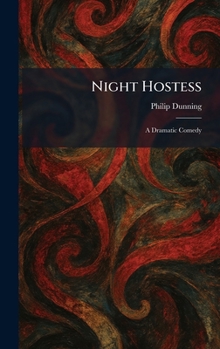
Night Hostess: A Dramatic Comedy

"Night Hostess" is a compelling dramatic comedy by Philip Dunning that captures the vibrant and often dangerous atmosphere of the 1920s Jazz Age. Set against the backdrop of New York's nightlife, the play explores the lives of those navigating the bustling world of speakeasies and late-night establishments. Dunning, masterfully blending elements of suspense, wit, and social commentary, presents a vivid portrait of an era defined by Prohibition and the relentless pursuit of excitement.
The narrative follows the intricate interactions of club hostesses, patrons, and the underworld figures who frequent these nocturnal spaces. As the plot unfolds, tensions rise, revealing the personal ambitions and moral dilemmas faced by characters surviving in a world of shadows and neon lights. Known for his keen ear for dialogue and realistic portrayal of the urban scene, Dunning delivers a work that functions as both a sharp comedy and a gripping drama. "Night Hostess" remains an evocative piece of American theatrical history, offering a unique window into the cultural complexities and theatrical flair of the late 1920s.
This work has been selected by scholars as being culturally important, and is part of the knowledge base of civilization as we know it. This work was reproduced from the original artifact, and remains as true to the original work as possible. Therefore, you may see the original copyright references, library stamps (as most of these works have been housed in our most important libraries around the world), and other notations in the work.
This work is in the public domain in the United States of America, and possibly other nations. Within the United States, you may freely copy and distribute this work, as no entity (individual or corporate) has a copyright on the body of the work.
As a reproduction of a historical artifact, this work may contain missing or blurred pages, poor pictures, errant marks, etc. Scholars believe, and we concur, that this work is important enough to be preserved, reproduced, and made generally available to the public. We appreciate your support of the preservation process, and thank you for being an important part of keeping this knowledge alive and relevant.
Related Subjects
DramaCustomer Reviews
ThriftBooks ® and the ThriftBooks ® logo are registered trademarks of Thrift Books Global, LLC
