


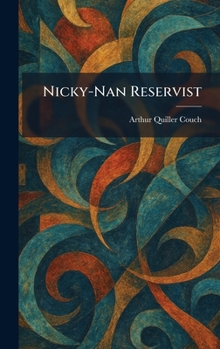
Nicky-Nan Reservist

"Nicky-Nan Reservist" is a compelling work of fiction set in the rugged coastal landscapes of Cornwall during the onset of World War I. Written by the renowned Arthur Quiller-Couch, the story centers on Nicholas Nanjivell, affectionately known as Nicky-Nan, an aging naval reservist with a crippled leg. As the call to arms resonates throughout the village of Polpier, Nicky-Nan finds himself in a precarious position, grappling with his physical limitations and a sudden, unexpected discovery of hidden treasure.
The narrative masterfully blends elements of social satire and poignant realism, capturing the tension and transformation of a small community thrust into the realities of global conflict. Through the eyes of Nicky-Nan and the surrounding villagers, Quiller-Couch explores themes of duty, gossip, and the internal struggles of those left behind on the home front. The book offers a vivid depiction of Cornish life, marked by its unique dialect and seafaring traditions.
As a notable piece of early 20th-century literature, "Nicky-Nan Reservist" serves as both an entertaining character study and a historical reflection on the psychological impact of war. Its enduring value lies in its rich atmosphere and the empathetic portrayal of a man navigating his conscience amidst the shifting tides of history.
This work has been selected by scholars as being culturally important, and is part of the knowledge base of civilization as we know it. This work was reproduced from the original artifact, and remains as true to the original work as possible. Therefore, you may see the original copyright references, library stamps (as most of these works have been housed in our most important libraries around the world), and other notations in the work.
This work is in the public domain in the United States of America, and possibly other nations. Within the United States, you may freely copy and distribute this work, as no entity (individual or corporate) has a copyright on the body of the work.
As a reproduction of a historical artifact, this work may contain missing or blurred pages, poor pictures, errant marks, etc. Scholars believe, and we concur, that this work is important enough to be preserved, reproduced, and made generally available to the public. We appreciate your support of the preservation process, and thank you for being an important part of keeping this knowledge alive and relevant.
Customer Reviews
ThriftBooks ® and the ThriftBooks ® logo are registered trademarks of Thrift Books Global, LLC
