


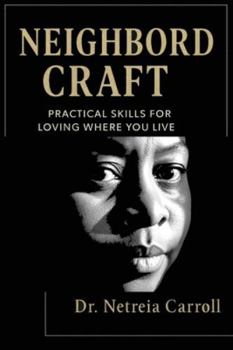
Neighbord Craft

Neighbor Craft meets Life Without God in a taut, quietly lyrical book about what happens when a city removes God from the public square and a neighborhood quietly refuses to let human longing be erased. When Nora, a municipal auditor charged with enforcing a Civic Harmony ordinance, notices a missing boy named Mateo, she finds that the city's neat systems anonymized relays, patrols, and surveillance cannot measure the small human acts that actually save lives. Moving between restraint and courage, Nora trades procedural silence for a slow, disciplined practice of neighboring: coded notes, shared signals, improvised charities, and the patient choreography of rescue.
This is faith-based fiction that avoids sermonizing. It is a story about habit, covenant, and the moral craft of ordinary people who choose small, risky mercies over sanitized compliance. The book asks what longing becomes when language is taken away-and answers by showing how people invent a new grammar of care.
Customer Reviews
ThriftBooks® and the ThriftBooks® logo are registered trademarks of Thrift Books Global, LLC
