


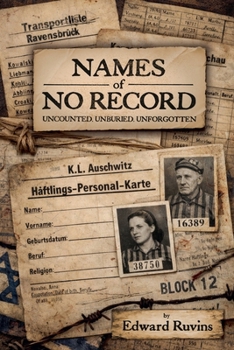
Names of No Record

Names of No Record is a deeply intimate historical novel that restores voice to those history failed to preserve. Set against the vast machinery of war and persecution, the story follows families whose lives are slowly erased, not only from their homes and cities but also from official documents, registries, and memory itself. It is a narrative about disappearance, about the quiet violence of being reduced to a number, and about the fragile resistance of remembrance.
Names of No Record is both elegy and testimony. It confronts the void left by the unnamed and the unburied, while affirming that memory itself can become an act of defiance. In giving narrative form to lives that official archives ignored, the novel insists that absence does not mean insignificance and that what is unrecorded must still be remembered.
Through the intertwined experiences of children, parents, and reluctant witnesses, the novel explores how ordinary lives were dismantled by ideology and fear and how moral choices, made in kitchens, corridors, and crowded streets, determined whether compassion survived. It reveals that history is not only written by those who prevailed but also by those whose stories were nearly extinguished.
Customer Reviews
ThriftBooks ® and the ThriftBooks ® logo are registered trademarks of Thrift Books Global, LLC
