
Skip to content
Scan a barcode
Scan
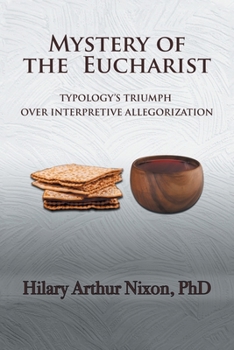
Hardcover Mystery of the Eucharist: Typology's Triumph over Interpretive Allegorization Book

ISBN: 1664274928

ISBN13: 9781664274921

Mystery of the Eucharist: Typology's Triumph over Interpretive Allegorization

Select Format

Select Condition ThriftBooks Help Icon

Recommended

Format: Hardcover

Condition: New

$35.95
Ships within 2-3 days
Save to List

Book Overview

For Christ did not enter a holy place made by hands, a mere copy of the true one, but into heaven itself, now to appear in the presence of God for us; nor was it that He would offer Himself often, as the high priest enters the Holy Place year by year with blood that is not his own. Otherwise, He would have needed to suffer often since the foundation of the world; but now once at the consummation of the ages He has been revealed to put away sin by the sacrifice of Himself.
Hebrews 9:24-25 NASB

Jesus interrupted their Seder meal, celebrating Passover. Using unleavened bread and a cup of wine, he instituted the Lord's Supper.

Why does the bread represent Christ's body? God passes over the believer's sin because the Lamb of God's body carried our sin. He suffered and died. His body was broken, like bread.

What represents His death? Life is with the blood. Life ceases when blood stops pouring out of the sacrifice. Wine represents Christ's blood. Wine poured into the cup represents his death. The cup Jesus used probably was a wooden bowl.

What cup represents the new covenant? Once a year on the Day of Atonement, the high priest entered the Holy of Holies. With his finger, he sprinkled blood from the bowl onto the mercy seat. Seven times he did this. This ritual shows God's intent to cleanse sin from his people.

In the heavenly temple, Jesus, the Christ, cleansed us from sin. By showing His blood, He showed his death on our behalf.

The cup is only a tiny piece of the new covenant's inauguration ritual. Yet the cup represents the entire new covenant relationship between God and his people.

This figure of speech is a synecdoche, where a part represents the whole. It is a specialized form of metonym.

Customer Reviews

0 rating
Copyright © 2026 Thriftbooks.com Terms of Use | Privacy Policy | Do Not Sell/Share My Personal Information | Cookie Policy | Cookie Preferences | Accessibility Statement
ThriftBooks® and the ThriftBooks® logo are registered trademarks of Thrift Books Global, LLC

GoDaddy Verified and Secured
