


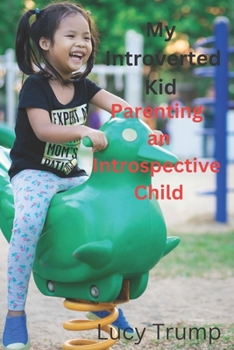
My Introverted kid: Parenting an Introspective Child

You're confounded by your child. She doesn't act the manner in which you did when you were growing up. She's reluctant and saved. Rather than jumping into play, she'd prefer stand back and watch different children. She converses with you in fits and starts - some of the time she chatters, letting you know stories, however different times, she's quiet, and you can't sort out what's happening in her mind. She invests a ton of energy alone in her room. Her educator says he wishes she'd take part more in class. Her public activity is restricted to two individuals. Considerably more unusual, she appears to be absolutely alright with that.
Congrats: you have an introverted child.
It's to be expected for outgoing guardians to stress over their independent youngsters and even keep thinking about whether their way of behaving is intellectually and genuinely solid. Obviously, youngsters can experience the ill effects of nervousness and sadness, similarly as grown-ups can. It's critical to know about the side effects of experience growing up gloom; once in a while withdrawal from loved ones and low energy signal more than self preoccupation.
Many independent youngsters, nonetheless, are not discouraged or restless by any means. They act in the manner they do due to their natural demeanor. The more you embrace their regular introspective nature, the more joyful your kid will be.
Introverted children like imaginative play, and they prefer playing alone or with just one or two other children. They often spend time in their own room with the door closed, doing solitary things like reading, drawing, or playing computer games.
Related Subjects
PsychologyCustomer Reviews
ThriftBooks ® and the ThriftBooks ® logo are registered trademarks of Thrift Books Global, LLC
