


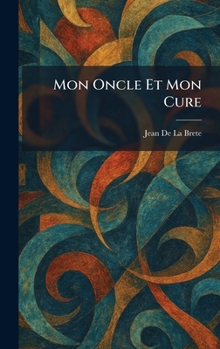
Mon Oncle Et Mon Cure

"Mon Oncle Et Mon Cure" is a charming and lighthearted classic of French literature that explores the complexities of youth and the transition into adulthood. The story follows the life of Reine, a spirited and orphaned young woman living in the French countryside under the guardianship of her stern uncle and a kindly village priest. Through their divergent approaches to her upbringing, Reine develops into a resilient and independent character, navigating the expectations of provincial society with both grace and wit.
This narrative is celebrated for its evocative descriptions of pastoral life and its keen observations of 19th-century social manners. As Reine encounters the initial stirrings of romance and the challenges of growing up, the work captures a timeless journey of self-discovery. Jean De La Brete provides a masterful balance of humor and heart, creating a story that remains an enduring example of wholesome and engaging fiction. "Mon Oncle Et Mon Cure" is a must-read for those who appreciate character-driven stories and the rich landscape of classic European literature.
This work has been selected by scholars as being culturally important, and is part of the knowledge base of civilization as we know it. This work was reproduced from the original artifact, and remains as true to the original work as possible. Therefore, you may see the original copyright references, library stamps (as most of these works have been housed in our most important libraries around the world), and other notations in the work.
This work is in the public domain in the United States of America, and possibly other nations. Within the United States, you may freely copy and distribute this work, as no entity (individual or corporate) has a copyright on the body of the work.
As a reproduction of a historical artifact, this work may contain missing or blurred pages, poor pictures, errant marks, etc. Scholars believe, and we concur, that this work is important enough to be preserved, reproduced, and made generally available to the public. We appreciate your support of the preservation process, and thank you for being an important part of keeping this knowledge alive and relevant.
Customer Reviews
ThriftBooks ® and the ThriftBooks ® logo are registered trademarks of Thrift Books Global, LLC
