


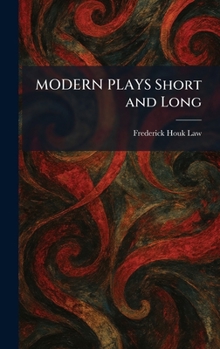
MODERN PLAYS Short and Long

"MODERN PLAYS Short and Long" is an essential anthology compiled by Frederick Houk Law, showcasing the diverse landscape of early 20th-century theater. This collection brings together a wide variety of dramatic works, ranging from brief, punchy one-act pieces to more expansive multi-act narratives. The selection highlights the evolution of modern drama, reflecting the social, psychological, and artistic shifts that characterized the period.
Within these pages, readers will find a curated selection of plays designed to illustrate different techniques of characterization, dialogue, and plot structure. Frederick Houk Law provides a thoughtful framework for understanding the theatrical craft, making this volume not only a treasure for fans of classic literature but also an invaluable resource for students of drama and aspiring playwrights. The works included span genres from poignant realism to lighthearted comedy, offering a comprehensive view of the themes that resonated with audiences during the 1920s.
By bringing these "short and long" plays together, Law emphasizes the power of the written word on stage. Whether intended for classroom study or public performance, this collection captures the spirit of an era when the theater was a primary medium for exploring the human condition and the complexities of modern life.
This work has been selected by scholars as being culturally important, and is part of the knowledge base of civilization as we know it. This work was reproduced from the original artifact, and remains as true to the original work as possible. Therefore, you may see the original copyright references, library stamps (as most of these works have been housed in our most important libraries around the world), and other notations in the work.
This work is in the public domain in the United States of America, and possibly other nations. Within the United States, you may freely copy and distribute this work, as no entity (individual or corporate) has a copyright on the body of the work.
As a reproduction of a historical artifact, this work may contain missing or blurred pages, poor pictures, errant marks, etc. Scholars believe, and we concur, that this work is important enough to be preserved, reproduced, and made generally available to the public. We appreciate your support of the preservation process, and thank you for being an important part of keeping this knowledge alive and relevant.
Customer Reviews
ThriftBooks ® and the ThriftBooks ® logo are registered trademarks of Thrift Books Global, LLC
