


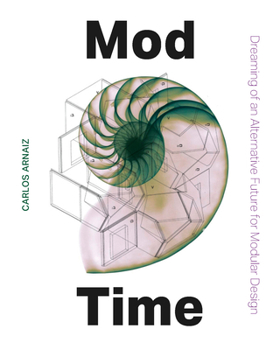
Mod Time: Dreaming of Alternative Future for Modular Design

Modular design casts a magical dust over a human-made object. It embodies the ingenuity of the planner, the designer, the engineer, the architects and even the builders. The factory introduced the ability to distort both speed and distance. Building materials could be made faster and at a greater distance from the site. Industrialization disrupted the way in which buildings were conceived and yet modular design persists as a kind of interpretive salvo: we look to decode. And yet, the closer one gets to the history of modular design the more chimeras appear.
The future was bright because manufacturing would solve our problems. Architecture has always been enamored with problem-solving. Proper planning, speedy logistics, the compartmentalization of matter and the optimization of time ushers in a better process of making. Process is the eternal fount of modular design intelligence.
This is a book that speculates on what the world might look like if modular design fulfills all our dreams. this book attempts to describe what modular can be if it vaults and clears our wildest aspiration. This is book filled with ghosts and fairies. It is haunted by realities of failures and the glorious floating images of visions. Our angel of history, Walter Benjamin's is compelled to be looking back to the past as it is propelled forward.Customer Reviews
ThriftBooks ® and the ThriftBooks ® logo are registered trademarks of Thrift Books Global, LLC
