


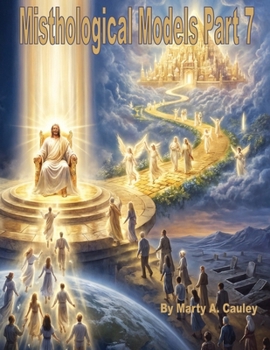
Misthological Models Part 7: Reconsideration of A Partial Rapture in Thessalonians

Misthological Models - Part 7: Reconsideration of a Partial Rapture in Thessalonians
By Marty A. Cauley
What if the rapture debate has never actually been tested-until now?
For decades, discussions of the rapture and end times have been driven by inherited systems-full rapture vs. partial rapture-without any measurable way to evaluate which model best fits the total biblical data.
This book changes that.
First-Ever Contributions in Rapture Theology
This volume represents the first published attempt to:
Provide a misthological (reward-based) interpretation of 2 Thessalonians 1:8-10Demonstrate-at 94% probability-that Paul intended a dual application involving both unbelievers and unfaithful believersIntegrate 2 Thessalonians 1 with 1 Thessalonians 5 in a way that naturally implies a partial-rapture frameworkShow-via AI-assisted structural analysis-that a refined model achieves 60% probability, outperforming full-rapture modelsPresent a complete three-model comparative analysis grounded in linguistic, parabolic, and theological dataNo prior work has combined biblical exegesis, comparative modeling, and quantified probability assessment in this way.
The Breakthrough: Measurable Theology
Instead of asking, "Which view do you prefer?"
This book asks: "Which view best fits the data-and by how much?"
The results are striking:
A previously dominant full-rapture model drops to 30% probabilityA refined "fuzzy" partial rapture model rises to 60%Key Thessalonian passages show a 94% likelihood of dual-layered meaningThis is not speculation-it is a measured comparison of explanatory power.
The Refined Partial Rapture Model
This book develops a more precise alternative to both extremes:
Some believers are ready and takenSome believers are left behind for disciplinary purposesResurrection and Bema participation may not be simultaneously uniformKingdom participation is graduated, not equalizedAll while maintaining a critical distinction:
Eternal life is a free giftReward, inheritance, and reign are conditionalWhy This Matters
Many systems fail because they collapse two biblical categories into one:
Salvation (free)Reward (conditional)This book restores that distinction and shows how doing so resolves longstanding tensions in Scripture-allowing passages of assurance and warning to stand side-by-side without contradiction.
Customer Reviews
ThriftBooks ® and the ThriftBooks ® logo are registered trademarks of Thrift Books Global, LLC
