


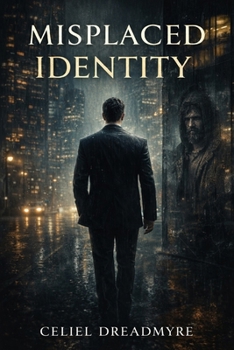
Misplaced Identity

He wanted to be seen. Then he decided being someone else would be easier.
John Miller came home from war with nothing that still fit: not the city, not ordinary conversation, not his own name. Living beneath an overpass, he measures each day by weather, hunger, and the small humiliations of being ignored. When wealthy Nathaniel Thorne starts bringing him meals without pity or performance, the gesture should be mercy. For John, it becomes something more dangerous: proof that comfort exists just out of reach.
Gratitude curdles. Observation becomes surveillance. A borrowed kindness becomes, in John's damaged logic, an unpaid debt. After a violent act on a rain-soaked street, John does not simply run. He takes Nathaniel's wallet, keys, clothes, and name, then walks into the life he has been studying from the shadows.
At first, the performance works. Nathaniel's staff explain away the changes. Business associates mistake John's hesitations for strain. Claudia Mercer wants to believe the man she knows is only grieving something private. Leo Walsh keeps the machine around Nathaniel running. But John cannot steal memory, instinct, or history. He eats too fast. Sleeps wrong. Wears the signet ring without understanding it. Old contacts surface. Graham Coyle sees leverage. Marcus Bell hears something false in an old friend's voice. And Eleanor Vance, the woman who remembers Nathaniel before he became powerful, carries the kind of childhood proof no impostor can manufacture.
As Detective Harding pulls together lodge-road footage, service-station cameras, soil evidence, witness statements, and the small personal facts John overlooked, the stolen life begins closing around him. Every room he enters becomes a test. Every conversation becomes a trap. Every kindness becomes another accusation.
Misplaced Identity is a tense psychological thriller about trauma, envy, class, performance, and the cost of becoming the person you thought the world owed you.
Customer Reviews
ThriftBooks ® and the ThriftBooks ® logo are registered trademarks of Thrift Books Global, LLC
