


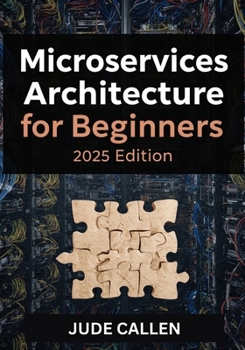
Microservices Architecture for Beginners (2025 Edition): A Beginner's Guide to Building Scalable and Modern Distributed Systems

Microservices architecture is revolutionizing the way modern software is built, deployed, and scaled. From enterprise tech giants to agile startups, developers are moving away from monolithic systems and embracing distributed microservices to gain flexibility, scalability, and faster release cycles. This beginner-friendly guide breaks down complex concepts into easy-to-understand lessons, helping you master one of the most in-demand architectures in today's software development landscape.
Written by experienced developers and cloud architects, Microservices Architecture for Beginners (2025 Edition) reflects the latest industry practices and architectural patterns used by companies like Netflix, Amazon, Uber, and Spotify. Backed by real-world examples, modern use cases, and practical guidance, this book is the perfect starting point for any aspiring backend engineer, DevOps specialist, or full-stack developer.
Microservices vs. Monolithic Architecture: When and why to choose microservices
Core principles and design patterns of microservices
Building and deploying services using REST APIs and containers
Introduction to Kubernetes, Docker, and service mesh technology
Communication protocols: HTTP, gRPC, messaging queues
Authentication, authorization, and securing microservices
Monitoring, logging, and scaling strategies
Common pitfalls and how to avoid them
This book is ideal for:
Beginner developers eager to learn backend architecture
Bootcamp grads and self-taught coders looking to go deeper
Full-stack developers transitioning to microservices
Software engineers preparing for cloud-native roles
Anyone curious about building scalable, cloud-ready systems
No prior experience with microservices is required, but a basic understanding of APIs and web development will be helpful.
You don't need months to understand microservices. In just a few days, you can learn the key concepts, understand the architecture, and start building modular services with real-world relevance. This 2025 edition is up-to-date with the latest tools, standards, and best practices-so you spend less time catching up and more time building.
Customer Reviews
ThriftBooks ® and the ThriftBooks ® logo are registered trademarks of Thrift Books Global, LLC
