


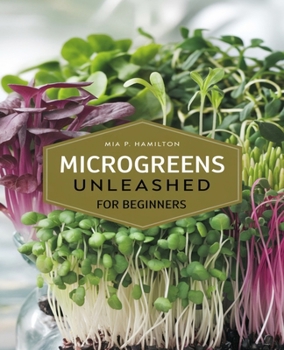
Microgreens Unleashed for beginners: A Comprehensive Handbook for Cultivating Tiny Greens at Home and Beyond for Profit and Pleasure
No Customer Reviews

Microgreens Unleashed: A Comprehensive Handbook for Cultivating Tiny Greens at Home and Beyond for Profit and Pleasure Growing microgreens has become one of my favorite hobbies. Not only are they packed with nutrients, but they also add a burst of flavor and color to any dish. If you've ever thought about diving into the world of microgreens, you're in for a treat. This guide will walk you through the essentials of cultivating these tiny greens, whether you want to enjoy them at home or sell them for profit. First off, let's talk about what microgreens actually are. These little plants are harvested just after the first true leaves have developed, typically within 7 to 21 days after germination. They come in a variety of flavors and textures, from the peppery bite of arugula to the delicate sweetness of pea shoots. I remember the first time I tried growing them; I was amazed at how quickly they sprouted and how vibrant they looked on my kitchen counter. To get started, you'll need some basic supplies. A shallow tray, potting soil, and seeds are the essentials. I've found that using organic soil not only helps with growth but also contributes to the overall health of the plants. You can buy microgreen seeds online or at local garden centers, and there's a surprising variety to choose from. My personal favorites include radish and basil, as they provide a delightful kick to salads and sandwiches. When it comes to the actual growing process, it's surprisingly simple. Spread the seeds evenly over the soil, lightly press them down, and mist them with water. Cover the tray with a lid or plastic wrap to create a mini greenhouse effect. After a few days, you'll see tiny green shoots emerging, and trust me, it's incredibly satisfying to witness. I often find myself peeking at them multiple times a day, eagerly anticipating their growth. Light is crucial for microgreens, so placing them near a sunny window or using grow lights will ensure they thrive. I've experimented with both natural and artificial light, and while natural light is great, I've had consistent success with LED grow lights, especially during the winter months when sunlight is scarce. As they grow, it's important to keep the soil moist but not soggy. I've learned the hard way that overwatering can lead to mold, which is a nightmare. If you notice any mold, it's best to remove the affected areas right away. Once they reach about two inches tall, it's time to harvest. Using sharp scissors, cut just above the soil line. The first time I harvested my microgreens, I felt a sense of accomplishment that was hard to describe. I tossed them into a salad, and the freshness was unlike anything I had tasted before. If you're considering selling microgreens, there's a growing market for them, especially among health-conscious consumers and local restaurants. Creating a business around something you love can be incredibly rewarding. I've seen success stories of people turning their passion for gardening into a profitable venture, and it's inspiring. In conclusion, cultivating microgreens is not only a fun and fulfilling activity, but it can also be a profitable one. Whether you're doing it for personal enjoyment or as a business, the journey of growing these tiny greens can be incredibly rewarding. So why not give it a try? You might just discover a new passion, and who knows, you could end up sharing your greens with the world
Format:Paperback
Language:English
ISBN:B0DPJ86MGD
ISBN13:9798300015312
Release Date:December 2024
Publisher:Independently Published
Length:82 Pages
Weight:0.35 lbs.
Dimensions:0.2" x 7.5" x 9.3"
Customer Reviews
0 rating
Copyright © 2026 Thriftbooks.com
Terms of Use | Privacy Policy | Do Not Sell/Share My Personal Information | Cookie Notice | Cookie Preferences | Accessibility Statement
ThriftBooks ® and the ThriftBooks ® logo are registered trademarks of Thrift Books Global, LLC
ThriftBooks ® and the ThriftBooks ® logo are registered trademarks of Thrift Books Global, LLC
