


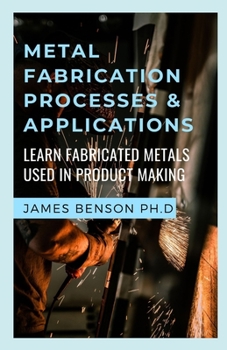
Metal Fabrication Processes & Applications: Learn Fabricated Metals Used In Product Making
No Customer Reviews

Metal fabrication is a broad term referring to any process that cuts, shapes, or molds metal material into a final product. Instead of an end product being assembled from ready-made components, fabrication creates an end product from raw or semi-finished materials. There are many different fabrication manufacturing process processes and the process used depends on both the beginning metal material and the desired end product. Fabrication is used for both custom and stock products.
Most custom metal fabricated products are crafted from a range of commonly used metals and their alloys. Some of the most popular metal types available for custom metal fabrication include aluminum, brass, copper, gold, iron, nickel, silver, magnesium, tin, titanium, and various grades of steel. Fabricators often start with stock metal components, such as sheet metal, metal rods, metal billets, and metal bars to create a new product. For example, an aluminum billet may be fabricated into a curved aluminum tube by using the extrusion process and then folding the tube.
Specialized metal fabricators are called fab shops. Contractors, equipment manufacturers, and resellers have metal fabricators work on a variety of projects for them. Often metal fabricators bid on jobs by submitting drawings, and if they are awarded the contract, they build the project. Once a contract has been awarded, metal fabricators begin the planning stages. This involves ordering the correct materials and having a manufacturing engineer program CNC machines for the project. Some of the work may be sub-contracted out depending on the size and specialized needs of the project. Many metal fabricators specialize in specific processes or metals. Fab shops may use multiple fabrication processes to create a final product. They may also provide finishing services such as deburring, polishing, coating, and painting, to the product. Finishing differs from fabricating in that finishing is a secondary process to treat the exterior of the product, not to shape it or to create a new product.
Most custom metal fabricated products are crafted from a range of commonly used metals and their alloys. Some of the most popular metal types available for custom metal fabrication include aluminum, brass, copper, gold, iron, nickel, silver, magnesium, tin, titanium, and various grades of steel. Fabricators often start with stock metal components, such as sheet metal, metal rods, metal billets, and metal bars to create a new product. For example, an aluminum billet may be fabricated into a curved aluminum tube by using the extrusion process and then folding the tube.
Specialized metal fabricators are called fab shops. Contractors, equipment manufacturers, and resellers have metal fabricators work on a variety of projects for them. Often metal fabricators bid on jobs by submitting drawings, and if they are awarded the contract, they build the project. Once a contract has been awarded, metal fabricators begin the planning stages. This involves ordering the correct materials and having a manufacturing engineer program CNC machines for the project. Some of the work may be sub-contracted out depending on the size and specialized needs of the project. Many metal fabricators specialize in specific processes or metals. Fab shops may use multiple fabrication processes to create a final product. They may also provide finishing services such as deburring, polishing, coating, and painting, to the product. Finishing differs from fabricating in that finishing is a secondary process to treat the exterior of the product, not to shape it or to create a new product.
Format:Paperback
Language:English
ISBN:B0F78STF71
ISBN13:9798514992232
Release Date:June 2021
Publisher:Independently Published
Length:76 Pages
Weight:0.22 lbs.
Dimensions:0.2" x 5.5" x 8.5"
Customer Reviews
0 rating
Copyright © 2026 Thriftbooks.com Terms of Use
| Privacy Policy | Do Not
Sell/Share My Personal Information | Cookie Policy | Cookie Preferences | Accessibility Statement
ThriftBooks® and the ThriftBooks® logo are registered trademarks of Thrift Books Global, LLC
ThriftBooks® and the ThriftBooks® logo are registered trademarks of Thrift Books Global, LLC
