


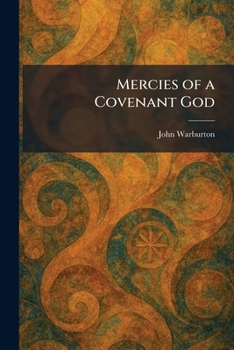
Mercies of a Covenant God

"Mercies of a Covenant God" is a profound and enduring spiritual autobiography by John Warburton, a significant figure in the tradition of the Particular Baptists. This compelling narrative recounts Warburton's humble beginnings and his transformative journey of faith, offering a raw and honest look at the trials, temptations, and eventual triumphs of a soul seeking divine grace. Through his vivid recollections, Warburton details his powerful conversion experience and his subsequent calling to the ministry, emphasizing the sovereign mercy and providence of God in the life of a believer.
As a classic of English devotional literature, this work provides deep insights into experimental religion and the practical application of theology in the eighteenth and nineteenth centuries. Readers will find a treasure trove of spiritual encouragement as Warburton describes the various mercies he received throughout his struggles with poverty, doubt, and spiritual darkness. His writing is characterized by a directness and sincerity that resonates with anyone interested in the history of Christian experience or the development of Baptist thought.
More than just a personal history, "Mercies of a Covenant God" serves as a powerful testament to the doctrine of covenant grace. It remains an essential resource for historians and lay readers alike, capturing the essence of a life lived in total dependence on the promises of the Gospel.
This work has been selected by scholars as being culturally important, and is part of the knowledge base of civilization as we know it. This work was reproduced from the original artifact, and remains as true to the original work as possible. Therefore, you may see the original copyright references, library stamps (as most of these works have been housed in our most important libraries around the world), and other notations in the work.
This work is in the public domain in the United States of America, and possibly other nations. Within the United States, you may freely copy and distribute this work, as no entity (individual or corporate) has a copyright on the body of the work.
As a reproduction of a historical artifact, this work may contain missing or blurred pages, poor pictures, errant marks, etc. Scholars believe, and we concur, that this work is important enough to be preserved, reproduced, and made generally available to the public. We appreciate your support of the preservation process, and thank you for being an important part of keeping this knowledge alive and relevant.
Customer Reviews
ThriftBooks ® and the ThriftBooks ® logo are registered trademarks of Thrift Books Global, LLC
