


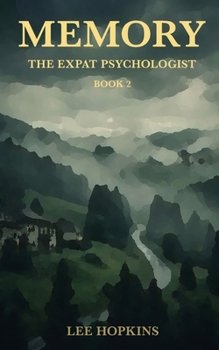
Memory

Memory is often treated as evidence. In Memory, it becomes the problem.
Continuing the psychological descent begun in Fracture, this novel follows an Australian psychologist living in Vietnam as his relationship with time, memory, and selfhood becomes increasingly unstable. Days repeat. Encounters feel familiar before they occur. The past intrudes without warning, and the present refuses to hold still.
Structured around walking, observation, and compulsive documentation, Memory charts the experience of derealisation and cognitive slippage with unsettling precision. The narrator records his life as if evidence might anchor reality, yet every act of writing introduces new uncertainty.
Professional insight no longer provides distance. Diagnostic language frays. Therapeutic frameworks fail to contain grief, exile, and the slow erosion of identity. Even memory, once a refuge, reveals itself as unreliable, mutable, and deeply subjective.
Set against the fog-laden streets and markets of Đ Lạt, the novel uses place as an active psychological force. Weather, language, and cultural displacement shape perception, amplifying the narrator's sense of dislocation and loss.
Memory is literary psychological fiction for readers who value ambiguity, restraint, and emotional honesty over resolution. It is a novel about what happens when the mind turns archival, recording everything while trusting nothing.
This book does not offer answers. It offers a faithful rendering of uncertainty.
Customer Reviews
ThriftBooks® and the ThriftBooks® logo are registered trademarks of Thrift Books Global, LLC
