


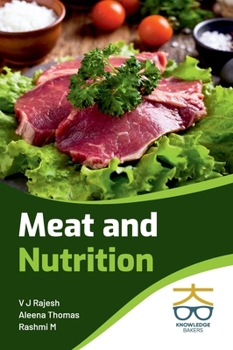
Meat and Nutrition
No Customer Reviews

Introduction to Meat and Nutrition: Provide an overview of meat as a significant dietary component, highlighting its role in human nutrition across various cultures and cuisines. Nutritional Composition: Discuss the key nutrients found in meat, including high-quality protein, essential amino acids, iron, zinc, B vitamins (especially B12), and healthy fats. Types of Meat: Explore the nutritional differences among red meat (beef, lamb), white meat (poultry), and processed meats, including lean cuts and their health implications. Health Benefits: Highlight the contribution of meat to muscle growth, immune function, and prevention of nutrient deficiencies, particularly in vulnerable populations. Health Concerns: Address concerns related to meat consumption, such as saturated fat content, cholesterol, and the potential risks associated with overconsumption or poorly processed meats. Processing and Preservation: Examine how meat is processed, stored, and preserved, and how these methods impact nutritional quality and food safety. Meat Alternatives and Trends: Discuss plant-based and lab-grown meat alternatives, their nutritional profiles, and their role in sustainable diets and consumer preferences. Guidelines and Recommendations: Summarize global dietary guidelines regarding meat intake, promoting balanced consumption as part of a healthy, varied diet.
Format:Hardcover
Language:English
ISBN:9349964961
ISBN13:9789349964969
Release Date:January 2026
Publisher:Knowledge Bakers
Length:258 Pages
Weight:1.47 lbs.
Dimensions:0.6" x 7.0" x 10.0"
Customer Reviews
0 rating
Copyright © 2026 Thriftbooks.com
Terms of Use | Privacy Policy | Do Not Sell/Share My Personal Information | Cookie Policy | Cookie Preferences | Accessibility Statement
ThriftBooks ® and the ThriftBooks ® logo are registered trademarks of Thrift Books Global, LLC
ThriftBooks ® and the ThriftBooks ® logo are registered trademarks of Thrift Books Global, LLC
