


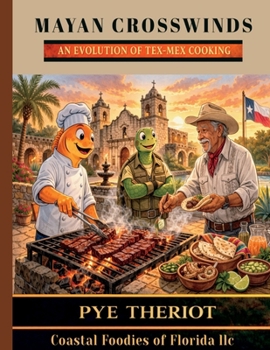
Mayan Crosswinds: An Evolution of Tex-Mex Cooking

Tex-Mex cooking did not begin at the border.
Long before cattle ranches and cast iron skillets defined the cuisine of South Texas, food systems in the Yucat n Peninsula were shaped by limestone water, underground heat, alkaline transformation, and disciplined preservation. Stone entered the water before corn became bread. Fire was lowered beneath the earth before it rose into smoke. Acidity, salt, and chiles were measured not for spectacle, but for survival.
Mayan Crosswinds: An Evolution of Tex-Mex Cooking examines the structural foundations that shaped one of North America's most recognizable regional cuisines. Rather than treating Tex-Mex as a modern invention or casual fusion, this volume traces its deeper continuity-how Indigenous methods endured as ingredients shifted, economies expanded, and borders hardened.
Nixtamalization transformed maize into nourishment. Pit roasting preserved moisture and intensified flavor. Controlled acidity stabilized proteins in tropical climates. Layered chiles built heat gradually rather than aggressively. These techniques traveled north through migration, trade, ranching expansion, and cultural exchange. The limestone plains of Yucat n and the cattle corridors of Texas are not isolated culinary worlds but connected landscapes shaped by movement and adaptation.
As beef replaced wild game, and steel smokers replaced underground pits, structural logic remained. Methods evolved without abandoning their foundation. Corn and flour tortillas coexisted. Citrus met smoke. Indigenous discipline encountered ranchland abundance. Across generations, structure preceded flavor.
This second volume in The Crosswinds Series approaches food as system rather than spectacle. Through cultural history, environmental analysis, and culinary observation, the book explores how regional cuisines endure by adapting to constraint. It considers geography, climate, trade routes, migration patterns, and economic shifts as forces that shape the table as surely as any recipe.
Mayan Crosswinds is not a cookbook. It is a study of continuity. It invites readers to look beneath familiar dishes and consider the architecture that supports them. Across cenotes and smokehouses, across stone hearths and steel grills, the wind carries structure forward. Flavor follows.
Customer Reviews
ThriftBooks ® and the ThriftBooks ® logo are registered trademarks of Thrift Books Global, LLC
