


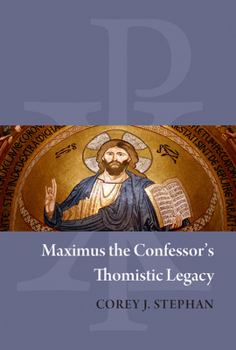
Maximus the Confessor's Thomistic Legacy

Straddling Greek Byzantium and the Latin Middle Ages, this study in historical theology locates Maximus the Confessor's Christology in the hybrid Greek and Latin milieu in which it originally flourished. Tracing the paths taken by Maximus's writings, it shows how Thomas Aquinas sought to rehabilitate their contributions to the Church's conciliar heritage for the entire subsequent Latin tradition.
Across its six central chapters, the book explores how Maximus's Christology was transmitted by John Damascene, Nicetas of Heraclea, and other key figures through the centuries, before analyzing how Thomas's readings of Maximian thought interrelate with those of his thirteenth-century Scholastic peers, especially Bonaventure and Albert the Great. Thomas's turn toward the Greek East for theological inspiration remained unique in the period and ensured his understanding of the Greek Fathers, thereby guiding the dramatic evolution of his Christology throughout his career.
Maximus the Confessor's Thomistic Legacy is also a work of bridging worlds: it not only presents a richer history of Latin High Scholasticism, but also contributes significantly to the ressourcement of Catholic theology by surveying the place of Thomas's Maximianism in the thought of Hans Urs von Balthasar and Joseph Cardinal Ratzinger (Pope Benedict XVI), among the foremost modern readers of Maximus. Inspired by Thomas's example, both von Balthasar and Ratzinger model a Thomistic Maximianism that can sustain the cause for Catholic and Orthodox re-communion.
Customer Reviews
ThriftBooks ® and the ThriftBooks ® logo are registered trademarks of Thrift Books Global, LLC
