


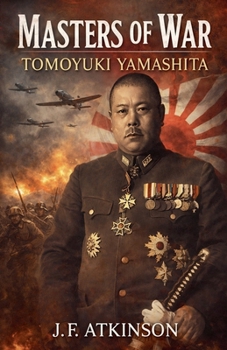
Masters of War: Tomoyuki Yamashita

Masters of War: Tomoyuki Yamashita
The brilliant campaign, the impossible defense, and the controversial trial that shaped modern military law
In seventy days during the winter of 1941-1942, General Tomoyuki Yamashita led 30,000 Japanese troops down the Malayan Peninsula in one of World War II's most stunning campaigns, culminating in the surrender of Singapore, Britain's supposedly "impregnable fortress" and earning him the legendary nickname "The Tiger of Malaya." Three years later, that same commander would face an American military tribunal, be convicted of war crimes under a new standard of command responsibility, and hang on the gallows, a legal precedent that continues to shape international law today.
This comprehensive biography examines the full arc of Yamashita's remarkable and tragic career, from his humble origins in rural Japan through his rise in the Imperial Japanese Army, his triumph in Malaya, his political exile, his desperate defense of the Philippines, and his controversial trial and execution. Drawing on Japanese, American, British, and Filipino sources, it presents a balanced portrait of a capable military commander whose life illuminates profound questions about war, duty, responsibility, and justice.
Neither hagiography nor simple condemnation, this book presents Yamashita as he was: a professionally competent officer who achieved genuine excellence in favorable circumstances, struggled under adverse conditions, made decisions that remain controversial, and ultimately faced consequences that continue to generate debate. His career offers enduring lessons about operational warfare, leadership under pressure, the limits of tactical skill, command responsibility, and the complex relationship between military effectiveness and moral accountability.
For military historians, the book provides comprehensive analysis of campaigns that remain studied in war colleges worldwide. For legal scholars, it offers detailed examination of a precedent-setting case in international law. For general readers, it delivers a compelling narrative while raising serious questions about duty, loyalty, and justice that transcend its historical moment.
"A masterful biography that refuses easy judgments while never avoiding hard questions. Yamashita emerges neither as hero nor villain but as a complex human being whose career illuminates timeless aspects of military command and the moral challenges of warfare."
Customer Reviews
ThriftBooks® and the ThriftBooks® logo are registered trademarks of Thrift Books Global, LLC
