


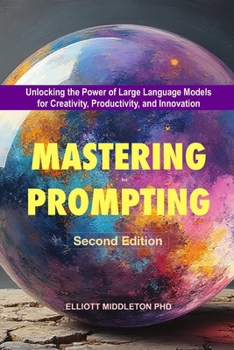
Mastering Prompting Techniques: Second Edition

In two years, the entire AI landscape turned over. The way you talk to it didn't.
When the first edition of this book was published, the frontier was GPT-4o and a chatbot called Bard. Since then the models learned to reason before they answer, to search the web, to run code, and to work on your behalf for hours at a time. Almost none of it changed the one skill that separates a mediocre result from an extraordinary one: knowing how to ask.
This fully revised second edition keeps every principle that held up-clarity, context, constraints, format, iteration-and rebuilds everything around them for the machines you actually use today. It doesn't sell you hype. It teaches you to get real work out of AI, and to catch it when it's confidently wrong.
Inside, you'll learn to:
Craft prompts that consistently deliver instead of disappointing
Choose between fast models and the new reasoning models-and why "think step by step" can now backfire
Direct AI agents that take actions, using goals, boundaries, and stopping conditions
Practice context engineering: decide what to put in front of the model, and what to leave out
Demand linked sources and verify grounded answers, because a model will cite junk with a straight face
Build reusable templates, troubleshoot failures, and future-proof your skills as the technology keeps moving
Every technique comes with a clear example and a hands-on exercise. Three real-world case studies show the methods under pressure. A rewritten reference section covers today's models-GPT-5, Claude, Gemini, Grok, and the open models you can run yourself-and an all-new closing chapter takes on reasoning models, agents, and the responsibilities that come with tools this powerful.
Written in plain, unhedged language by an author who trusts you to think for yourself. The technology churns. The fundamentals don't. Learn them here.
Customer Reviews
ThriftBooks ® and the ThriftBooks ® logo are registered trademarks of Thrift Books Global, LLC
