


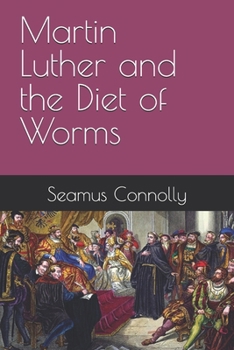
Martin Luther and the Diet of Worms

The Diet of Worms in 1521 marked a pivotal moment when Martin Luther refused to recant his theological writings before Emperor Charles V, declaring his conscience captive to God's Word. This confrontation crystallized the Protestant Reformation's challenge to medieval Christendom's unified religious and political order.
The Edict of Worms, which declared Luther an outlaw and banned his writings, failed spectacularly. Despite imperial condemnation, the Reformation survived through princely protection, popular support, and the printing press's power to disseminate ideas faster than authorities could suppress them. Germany fragmented along confessional lines as Lutheran and Catholic territories consolidated distinct identities.
Charles V's thirty-five-year struggle to restore religious unity proved futile. Military victories, including defeating Protestant forces in the Schmalkaldic War, could not reverse cultural and religious transformations. The Peace of Augsburg (1555) finally acknowledged permanent division, establishing the principle of territorial religion: rulers determined their territories' confession.
Luther's stand at Worms contributed to modern individualism's emergence, though not in ways he intended. His elevation of conscience informed by Scripture above institutional authority provided conceptual resources that later thinkers would secularize and democratize. The Reformation's legacy shaped European culture, politics, and thought for centuries, marking the definitive end of medieval Christendom and the beginning of confessionally divided modernity.
Related Subjects
HistoryCustomer Reviews
ThriftBooks ® and the ThriftBooks ® logo are registered trademarks of Thrift Books Global, LLC
