


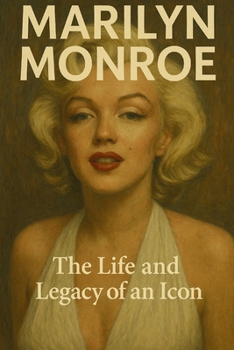
Marilyn Monroe: The Life and Legacy of an Icon

On a warm August night in 1962, the world lost one of its most luminous stars. Marilyn Monroe, born Norma Jeane Mortenson thirty-six years earlier, was found dead in her Brentwood home, leaving behind a legacy that would transcend her brief but brilliant career. More than six decades after her tragic death, Monroe remains one of the most recognizable and fascinating figures in American culture-a testament to the enduring power of her image, the complexity of her story, and the questions that continue to surround her life and death.
What is it about Marilyn Monroe that continues to captivate us? Perhaps it is the stark contrast between her public image as the ultimate sex symbol and the vulnerable, damaged woman behind the carefully constructed facade. Or maybe it is the way she embodied the American Dream while simultaneously revealing its darker underbelly-the orphaned child who became Hollywood royalty, only to find that fame and fortune could not heal the wounds of her traumatic past.
Monroe's story is one of transformation, resilience, and ultimately, tragedy. Born into poverty and instability, she survived a childhood marked by abandonment, abuse, and uncertainty. Through sheer determination and an almost mystical screen presence, she transformed herself from Norma Jeane, the frightened foster child, into Marilyn Monroe, the blonde bombshell who would define an era. Yet beneath the platinum curls and breathy voice lay a woman of surprising intelligence and ambition-a savvy businesswoman who challenged the powerful Hollywood studio system and fought for artistic recognition.
Customer Reviews
ThriftBooks ® and the ThriftBooks ® logo are registered trademarks of Thrift Books Global, LLC
