


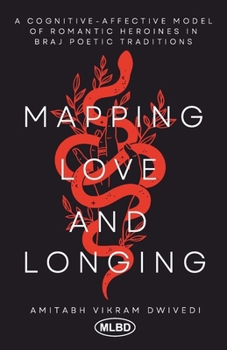
Mapping Love and Longing: A Cognitive - Affective Model of Romantic Heroines in Braj Poetic Traditions

Braj poetry has been extensively studied in academic circles; however, many transcendental or aesthetic interpretations-those focusing primarily on formal literary structure and spiritual metaphor-tend to fall short in appreciating the subtle emotional dynamics that unfold within these texts. Traditional analyses often emphasize intertextual tropes, rhetorical figures, and aesthetic organization, while overlooking the rich psychological realism and depth of inner experience embodied by the characters.
Conversely, interpretations rooted in devotion tend to foreground bhakti-rasa-the essence of devotional sentiment-which can inadvertently reduce the heroines to mere symbols, such as portraying Radha as the soul and Krishna as the divine essence. This reductionist approach obscures their authentic emotional struggles. Consequently, Radha's profound grief risks being diminished to a mere poetic device illustrating divine separation, rather than being recognized as the unbearable anguish of a lovelorn young woman.
Such readings risk flattening these characters into moral allegories or saintly figures, thereby trivializing the complexity of their emotional experiences into simplistic lessons about virtue and vice. Amitabh Vikram Dwivedi's study seeks to redress this imbalance by proposing a cognitive-affective model that restores emotional realism and inner consciousness to the study of Braj heroines.
Customer Reviews
ThriftBooks® and the ThriftBooks® logo are registered trademarks of Thrift Books Global, LLC
