


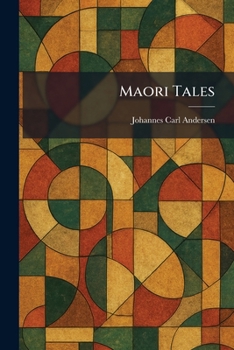
Maori Tales

"Maori Tales" is a rich and evocative collection of indigenous folklore and mythology from New Zealand, meticulously compiled by Johannes Carl Andersen. This work serves as an essential gateway into the spiritual and cultural world of the Maori people, presenting a diverse array of legends that have been passed down through generations. Readers will encounter powerful stories of creation, the brave exploits of legendary heroes like Maui, and the origins of the natural world, all rendered with a deep respect for the oral traditions from which they spring.
Andersen brings his expertise to bear in preserving these narratives, ensuring that the unique imagery and philosophical depth of Polynesian mythology are accessible to a wider audience. The tales explore universal themes of love, war, trickery, and the profound connection between humanity and the environment. "Maori Tales" is not only a significant literary contribution to the study of folklore but also a vibrant celebration of the heritage and imaginative power of the Maori nation. This collection remains a valuable resource for anyone interested in the myths and legends of the South Pacific and the preservation of indigenous cultural narratives.
This work has been selected by scholars as being culturally important, and is part of the knowledge base of civilization as we know it. This work was reproduced from the original artifact, and remains as true to the original work as possible. Therefore, you may see the original copyright references, library stamps (as most of these works have been housed in our most important libraries around the world), and other notations in the work.
This work is in the public domain in the United States of America, and possibly other nations. Within the United States, you may freely copy and distribute this work, as no entity (individual or corporate) has a copyright on the body of the work.
As a reproduction of a historical artifact, this work may contain missing or blurred pages, poor pictures, errant marks, etc. Scholars believe, and we concur, that this work is important enough to be preserved, reproduced, and made generally available to the public. We appreciate your support of the preservation process, and thank you for being an important part of keeping this knowledge alive and relevant.
Customer Reviews
ThriftBooks ® and the ThriftBooks ® logo are registered trademarks of Thrift Books Global, LLC
