


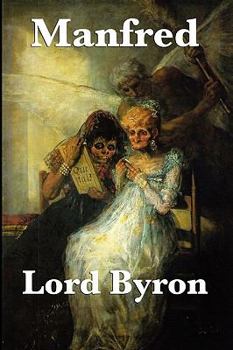
Manfred: A Dramatic Poem of the Byronic Hero

Select Format
Select Condition 
Book Overview
Lord Byron's Manfred is a dramatic poem of psychological intensity, centering on a solitary figure who confronts guilt, memory, and the limits of human knowledge in a sublime alpine setting. Written in the early nineteenth century, the work departs from conventional stage drama, presenting instead a sequence of philosophical and supernatural encounters that reflect the inner turmoil of its protagonist.
Rooted in the Romantic movement, Manfred explores themes of isolation, defiance, and the struggle for self-mastery, drawing upon elements of myth, metaphysics, and Gothic atmosphere. Byron's central figure stands apart from society, rejecting both external authority and conventional redemption, embodying a form of tragic individualism that became emblematic of Romantic literature. The poem's structure and tone place it alongside Byron's most introspective and enduring works.
Manfred continues to be read as a key text of Romantic poetry and drama, valued for its exploration of the inner life and its influence on later literary figures and traditions. Its combination of lyrical expression and philosophical inquiry makes it suitable for study in literature courses while remaining accessible to general readers interested in nineteenth-century poetry and dramatic works.
Customer Reviews
ThriftBooks® and the ThriftBooks® logo are registered trademarks of Thrift Books Global, LLC
