


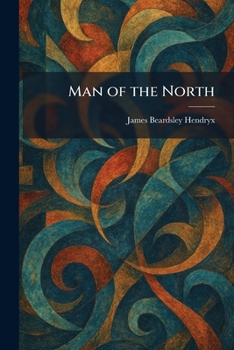
Man of the North

Select Format
Select Condition 
Book Overview
"Man of the North" is a compelling adventure novel set against the stark and beautiful backdrop of the Canadian wilderness. Written by James B. Hendryx, a master of the Northern genre, the story immerses readers in a world of rugged frontiersmen, gold prospectors, and the relentless elements of the subarctic. The narrative follows the trials of individuals grappling with the laws of nature and the codes of the North, where survival depends as much on character and grit as it does on physical strength.
As the plot unfolds, the work explores themes of justice, greed, and the search for fortune in a land where the Royal Canadian Mounted Police maintain a precarious order. With vivid descriptions of the frozen landscape and the high-stakes drama of the frontier, "Man of the North" captures the spirit of early 20th-century adventure fiction. This work stands as a testament to the enduring appeal of stories about the human spirit's resilience when faced with the untamed wild. It is an essential read for fans of classic outdoor adventure and historical fiction centered on the North American frontier.
This work has been selected by scholars as being culturally important, and is part of the knowledge base of civilization as we know it. This work was reproduced from the original artifact, and remains as true to the original work as possible. Therefore, you may see the original copyright references, library stamps (as most of these works have been housed in our most important libraries around the world), and other notations in the work.
This work is in the public domain in the United States of America, and possibly other nations. Within the United States, you may freely copy and distribute this work, as no entity (individual or corporate) has a copyright on the body of the work.
As a reproduction of a historical artifact, this work may contain missing or blurred pages, poor pictures, errant marks, etc. Scholars believe, and we concur, that this work is important enough to be preserved, reproduced, and made generally available to the public. We appreciate your support of the preservation process, and thank you for being an important part of keeping this knowledge alive and relevant.
Customer Reviews
ThriftBooks ® and the ThriftBooks ® logo are registered trademarks of Thrift Books Global, LLC
