


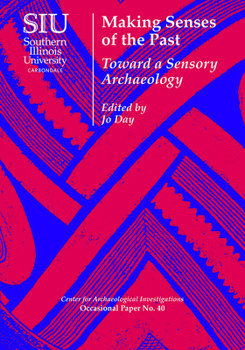
Making Senses of the Past: Toward a Sensory Archaeology
No Customer Reviews

This book presents cutting-edge research in regard to new theoretical issues. Archaeologists almost universally try to make sense of the past through visual descriptions of physical objects and sites. The researchers in this volume, however, present alternative methods of learning about and interpreting the past through the other senses such as smell, taste, hearing, and touch. They argue that in many cases the archaeological remains investigated by archaeologists were constructed to incorporate one or more of these other senses.
Format:Paperback
Language:English
ISBN:0809332876
ISBN13:9780809332878
Release Date:March 2013
Publisher:Southern Illinois University Press
Length:444 Pages
Weight:0.65 lbs.
Dimensions:1.2" x 6.9" x 9.9"
Customer Reviews
0 rating
Copyright © 2026 Thriftbooks.com
Terms of Use | Privacy Policy | Do Not Sell/Share My Personal Information | Cookie Policy | Cookie Preferences | Accessibility Statement
ThriftBooks ® and the ThriftBooks ® logo are registered trademarks of Thrift Books Global, LLC
ThriftBooks ® and the ThriftBooks ® logo are registered trademarks of Thrift Books Global, LLC
