


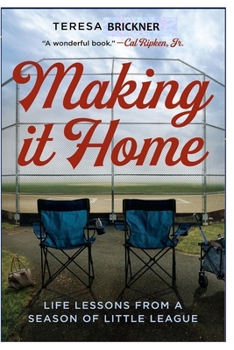
Making it home
No Customer Reviews

development, likewise called fabricating development, the procedures and industry associated with the gathering and erection of designs, principally those used to give cover.
Humans have been building since antiquity. It started with the simply practical requirement for a controlled climate to direct the impacts of environment. One way that humans were able to become a global species and adapt to a wide range of climates was by building shelters.
Human sanctuaries were at first exceptionally straightforward and maybe endured a couple of days or months. Over the long haul, notwithstanding, even transitory designs advanced into such profoundly refined structures as the igloo. After agriculture, when people began to stay in one place for extended periods of time, more durable structures gradually emerged. The principal covers were abodes, however later different capabilities, like food stockpiling and function, were housed in isolated structures. The beginning of the distinction between architecture and building can be seen in the fact that some structures began to have both functional and symbolic significance.
The historical backdrop of building is set apart by various patterns. One is that the materials used are getting stronger. Leaves, branches, and animal hides were early building materials that were prone to spoilage. Afterward, more tough regular materials - like earth, stone, and wood - and, at long last, manufactured materials - like block, cement, metals, and plastics - were utilized. Another is the search for structures with ever-increasing height and span; this was made conceivable by the improvement of more grounded materials and by information on how materials act and how to take advantage of them to more prominent benefit. The degree of control over a building's interior environment is a third major trend: progressively exact guideline of air temperature, light and sound levels, moistness, smells, velocity, and different variables that influence human solace has been conceivable.
Humans have been building since antiquity. It started with the simply practical requirement for a controlled climate to direct the impacts of environment. One way that humans were able to become a global species and adapt to a wide range of climates was by building shelters.
Human sanctuaries were at first exceptionally straightforward and maybe endured a couple of days or months. Over the long haul, notwithstanding, even transitory designs advanced into such profoundly refined structures as the igloo. After agriculture, when people began to stay in one place for extended periods of time, more durable structures gradually emerged. The principal covers were abodes, however later different capabilities, like food stockpiling and function, were housed in isolated structures. The beginning of the distinction between architecture and building can be seen in the fact that some structures began to have both functional and symbolic significance.
The historical backdrop of building is set apart by various patterns. One is that the materials used are getting stronger. Leaves, branches, and animal hides were early building materials that were prone to spoilage. Afterward, more tough regular materials - like earth, stone, and wood - and, at long last, manufactured materials - like block, cement, metals, and plastics - were utilized. Another is the search for structures with ever-increasing height and span; this was made conceivable by the improvement of more grounded materials and by information on how materials act and how to take advantage of them to more prominent benefit. The degree of control over a building's interior environment is a third major trend: progressively exact guideline of air temperature, light and sound levels, moistness, smells, velocity, and different variables that influence human solace has been conceivable.
Format:Paperback
Language:English
ISBN:B0C7T9PY4R
ISBN13:9798398332780
Release Date:June 2023
Publisher:Independently Published
Length:80 Pages
Weight:0.26 lbs.
Dimensions:0.2" x 6.0" x 9.0"
Customer Reviews
0 rating
Copyright © 2025 Thriftbooks.com
Terms of Use | Privacy Policy | Do Not Sell/Share My Personal Information | Cookie Policy | Cookie Preferences | Accessibility Statement
ThriftBooks ® and the ThriftBooks ® logo are registered trademarks of Thrift Books Global, LLC
ThriftBooks ® and the ThriftBooks ® logo are registered trademarks of Thrift Books Global, LLC
