


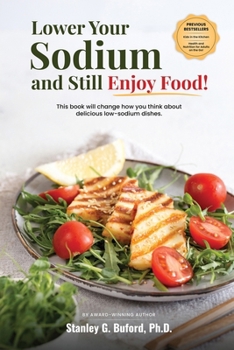
Lower Your Sodium and Still Enjoy Food!

Sodium is important for helping to regulate fluid balance and for transmitting electrical signals in the body. It is a vital electrolyte that helps regulate the distribution of water in cells and tissues. With balanced sodium, the body is able to maintain blood pressure and blood volume levels, which are essential to cardiovascular health. The role of sodium ions is extremely important in the transmission of electrical signals along nerve cells and muscle cells; these cells are essential in muscle contraction and nerve function. These processes can be impaired without the proper amount of sodium, resulting in health problems.
The importance of sodium and the physiology of its function helps us to appreciate it and to manage it for optimal health. Excess sodium intake leads to hypertension and associated cardiovascular diseases, and depleted sodium levels lead to hyponatremia and fatigue, muscle cramps, and confusion. Moderate intake is recommended as the suggested daily intake; however, moderate intake is recommended. Foods rich in sodium but low in nutrients are not good choices, but a diet that is rich in whole foods, such as fruits and vegetables, can meet the requirements of sodium with no adverse health effects. A balance can be created that will maintain the health and well-being of individuals. Food can taste great and contain all the necessary nutrients minus the sodium (salt). This book will help you see the light
Related Subjects
Teen & Young AdultCustomer Reviews
ThriftBooks ® and the ThriftBooks ® logo are registered trademarks of Thrift Books Global, LLC
