


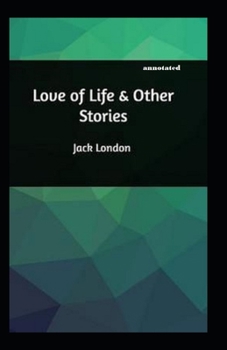
Love of Life & Other Stories annotated
No Customer Reviews

Much like "The Revenant," the secret to the appeal of the title story in this book is the immediate emotional impact it produces. The reason we made a motion picture out of Love of Life is because starting from the very first scene, we can rely on visual imagery, drawing a clearer picture of events as well as to intensify what is happening to the main character. We see and feel the cold and hear the dull voice of the man in the story. We listen to the man's thoughts and consciousness. The man has been abandoned by his long time friend. We pray for him to survive. The visual images of the hero's suffering cause and intensify our compassion for him. One thought finally took total control of his consciousness, to eat He sleeps under the open sky but is restless and hungry. Ragged, lost in the wilderness, the man struggles, but he is unwilling to die, this is the force that drives him on. A sick and starving wolf follows the man closely. London's story is not an artificial exaggeration of human qualities. Rather it is London's discovery in fiction, which resulted from the life experience of a courageous, energetic man, who loved to compete with danger until the end of his life. It is a film about one person's strength and persistence to survive. The basis for the plot in "The Love of Life" is found in the real-life events in Alaska encountered by London in a newspaper. One of them happened on the Coppermine River, where one of the gold hunters with a badly sprained ankle barely made it to a populated area. Another event took place at Nome.
Format:Paperback
Language:English
ISBN:B08KH3RCSZ
ISBN13:9798692570024
Release Date:January 1
Publisher:Independently Published
Length:162 Pages
Weight:0.43 lbs.
Dimensions:0.3" x 5.5" x 8.5"
Customer Reviews
0 rating
Copyright © 2026 Thriftbooks.com
Terms of Use | Privacy Policy | Do Not Sell/Share My Personal Information | Cookie Policy | Cookie Preferences | Accessibility Statement
ThriftBooks ® and the ThriftBooks ® logo are registered trademarks of Thrift Books Global, LLC
ThriftBooks ® and the ThriftBooks ® logo are registered trademarks of Thrift Books Global, LLC
