


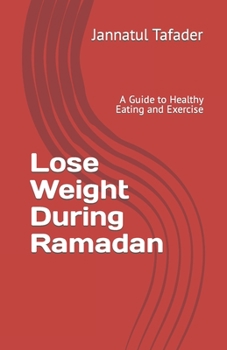
Lose Weight During Ramadan: A Guide to Healthy Eating and Exercise
No Customer Reviews

Maintaining a healthy weight during Ramadan can be a challenge due to several reasons. Here are some of the main challenges that people may face:
Limited eating hours: During Ramadan, Muslims are only allowed to eat before sunrise and after sunset. This means that people may have a limited time to eat, which seems to be quite difficult to consume enough calories and nutrients for the day. But surely it's not at all.Overeating during Iftar: After a long day of fasting, it can be tempting to overeat and indulge in high-calorie foods during Iftar, the meal eaten at sunset to break the fast. This can lead to consuming more calories than the body needs, which can contribute to weight gain.Unhealthy food choices: During Ramadan, it is common for people to consume traditional, high-calorie foods that are often fried or contain a lot of sugar. These foods may be rich in flavor but can be detrimental to one's health if consumed in large amounts. (But someone can make the food even more tasty and nutritious if they want to.)Reduced physical activity: Fasting during Ramadan can cause fatigue and reduce energy levels, which may lead to reduced physical activity. This can make it more difficult to burn calories and maintain a healthy weight.Disruption of sleep patterns: During Ramadan, people may stay up late and wake up early to eat and pray, which can disrupt their sleep patterns. Lack of sleep can affect metabolism and hormone levels, which can contribute to weight gain.But none of these can prevent you from losing these extra weight During this Holy Month. I have written this complete guide to lose weight During Ramadan. A Step by Step A Guide to Healthy Eating and Exercise. I have covered the topics of:The challenges of maintaining a healthy weight during Ramadan,
The benefits of losing weight during Ramadan
Nutrition during Ramadan
breakdown of the different food groups and their role in a healthy diet
Tips for eating healthy while fasting
Exercise during Ramadan
Types of exercises that can be done during fasting hours
Meal Plans and Mindful eating tips During Ramadan
he importance of self-care during Ramadan
Recipes and Meal Planning During Ramadan
Healthy recipes that are perfect for suhoor and iftar
Meal planning tips for weight loss during Ramadan And I also give advanced tips of The importance of maintaining a healthy lifestyle beyond Ramada
Format:Paperback
Language:English
ISBN:B0BXN8R6PZ
ISBN13:9798386048518
Release Date:March 2023
Publisher:Independently Published
Length:60 Pages
Weight:0.24 lbs.
Dimensions:0.2" x 5.5" x 8.5"
Customer Reviews
0 rating
Copyright © 2026 Thriftbooks.com
Terms of Use | Privacy Policy | Do Not Sell/Share My Personal Information | Cookie Policy | Cookie Preferences | Accessibility Statement
ThriftBooks ® and the ThriftBooks ® logo are registered trademarks of Thrift Books Global, LLC
ThriftBooks ® and the ThriftBooks ® logo are registered trademarks of Thrift Books Global, LLC
