


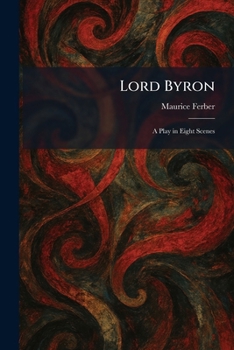
Lord Byron: A Play in Eight Scenes

"Lord Byron: A Play in Eight Scenes" is a compelling dramatic portrayal of the life and legacy of the iconic Romantic poet, George Gordon Byron. Written by Maurice Ferber, this play captures the essence of Byron's multifaceted personality through a series of eight vignettes that span his professional triumphs and personal tribulations.
The work delves into the complexities of Byron's character, exploring his celebrated literary achievements, his scandalous reputation in English society, and his eventual self-imposed exile. By focusing on key moments in his life, Ferber presents a narrative that is both intimate and grand, reflecting the turbulent spirit of the Romantic era. Readers and theater enthusiasts will find a vivid depiction of a man who was as much a political rebel as he was a master of verse.
This play serves as an insightful literary companion for those interested in the history of English poetry and the dramatic arts. It remains a significant work for its ability to transform biographical facts into engaging theatrical scenes, offering a unique perspective on one of the nineteenth century's most enduring cultural icons.
This work has been selected by scholars as being culturally important, and is part of the knowledge base of civilization as we know it. This work was reproduced from the original artifact, and remains as true to the original work as possible. Therefore, you may see the original copyright references, library stamps (as most of these works have been housed in our most important libraries around the world), and other notations in the work.
This work is in the public domain in the United States of America, and possibly other nations. Within the United States, you may freely copy and distribute this work, as no entity (individual or corporate) has a copyright on the body of the work.
As a reproduction of a historical artifact, this work may contain missing or blurred pages, poor pictures, errant marks, etc. Scholars believe, and we concur, that this work is important enough to be preserved, reproduced, and made generally available to the public. We appreciate your support of the preservation process, and thank you for being an important part of keeping this knowledge alive and relevant.
Customer Reviews
ThriftBooks ® and the ThriftBooks ® logo are registered trademarks of Thrift Books Global, LLC
