


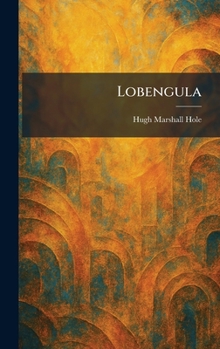
Lobengula

"Lobengula" provides a profound biographical and historical exploration of the life of the last great king of the Matabele. Written by Hugh Marshall Hole, who served within the colonial administration of the era, the work offers a detailed perspective on the tragic downfall of the Ndebele Kingdom in the face of British imperial expansion in Southern Africa. The narrative traces Lobengula's rise to power, his complex diplomatic dealings with European concession-seekers, and the eventual military conflicts that reshaped the region's destiny.
Through Hole's account, readers gain insight into the intricate political landscape of late 19th-century Africa. The book examines the clash between traditional African sovereignty and the industrial and territorial ambitions of the British South Africa Company. As a historical document, "Lobengula" captures the tension, intrigue, and personal character of a monarch caught between the preservation of his people's traditions and the overwhelming pressures of external colonization. It remains a significant resource for understanding the history of modern-day Zimbabwe and the broader impacts of colonialism on the continent. This work serves as both a biography and a chronicle of a pivotal moment in Southern African history, emphasizing the dignity and challenges of a leader navigating an era of unprecedented change.
This work has been selected by scholars as being culturally important, and is part of the knowledge base of civilization as we know it. This work was reproduced from the original artifact, and remains as true to the original work as possible. Therefore, you may see the original copyright references, library stamps (as most of these works have been housed in our most important libraries around the world), and other notations in the work.
This work is in the public domain in the United States of America, and possibly other nations. Within the United States, you may freely copy and distribute this work, as no entity (individual or corporate) has a copyright on the body of the work.
As a reproduction of a historical artifact, this work may contain missing or blurred pages, poor pictures, errant marks, etc. Scholars believe, and we concur, that this work is important enough to be preserved, reproduced, and made generally available to the public. We appreciate your support of the preservation process, and thank you for being an important part of keeping this knowledge alive and relevant.
Customer Reviews
ThriftBooks ® and the ThriftBooks ® logo are registered trademarks of Thrift Books Global, LLC
