


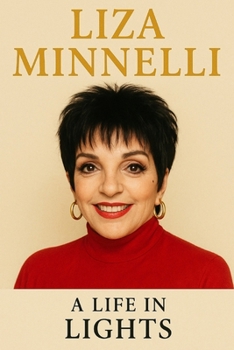
Liza Minnelli: A Life in Lights

There are few names in entertainment that carry the weight of both triumph and tragedy, of extraordinary talent and human frailty, quite like Liza Minnelli. Born into the golden age of Hollywood royalty, she emerged as one of the most dynamic and enduring performers of the modern era, yet her journey has been marked by as many valleys as peaks, as much personal struggle as professional glory.
To understand Liza Minnelli is to understand the very essence of American entertainment in the latter half of the twentieth century. She is the living embodiment of show business itself-part Broadway baby, part Hollywood starlet, part cabaret artist, and wholly committed to the transformative power of performance. Her life story reads like a classic American tale of reinvention, resilience, and the relentless pursuit of artistic truth.
From her earliest days, when she appeared as a toddler in her mother Judy Garland's final scene in "In the Good Old Summertime," to her recent appearances that still command standing ovations decades into her career, Liza has never known a world without spotlights, without audiences, without the intoxicating mixture of terror and exhilaration that comes with live performance. This has been both her greatest gift and her most challenging burden.
Customer Reviews
ThriftBooks® and the ThriftBooks® logo are registered trademarks of Thrift Books Global, LLC
