


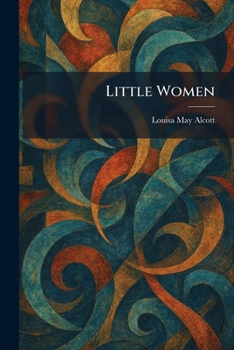
Little Women

"Little Women" is a timeless masterpiece of American literature that follows the lives of the four March sisters-Jo, Meg, Beth, and Amy-as they navigate the challenges and joys of growing up in New England during the American Civil War. Louisa May Alcott's most celebrated work captures the transition from childhood to womanhood with profound empathy and enduring charm.
The narrative centers on the distinct personalities and ambitions of the sisters: the spirited and aspiring writer Jo, the traditional and beautiful Meg, the gentle and musical Beth, and the artistic and determined Amy. Together with their beloved Marmee, the girls face poverty, personal loss, and the social expectations of their time, all while maintaining a bond of sisterhood that remains unbreakable.
Rich in moral lessons and historical detail, "Little Women" explores themes of domesticity, independence, and the pursuit of one's dreams. This classic novel has captivated generations of readers with its relatable characters and heartwarming portrayal of family life, securing its place as a cornerstone of the literary canon. Its exploration of female identity and societal roles continues to resonate, making it an essential read for lovers of classic fiction.
This work has been selected by scholars as being culturally important, and is part of the knowledge base of civilization as we know it. This work was reproduced from the original artifact, and remains as true to the original work as possible. Therefore, you may see the original copyright references, library stamps (as most of these works have been housed in our most important libraries around the world), and other notations in the work.
This work is in the public domain in the United States of America, and possibly other nations. Within the United States, you may freely copy and distribute this work, as no entity (individual or corporate) has a copyright on the body of the work.
As a reproduction of a historical artifact, this work may contain missing or blurred pages, poor pictures, errant marks, etc. Scholars believe, and we concur, that this work is important enough to be preserved, reproduced, and made generally available to the public. We appreciate your support of the preservation process, and thank you for being an important part of keeping this knowledge alive and relevant.
Customer Reviews
ThriftBooks ® and the ThriftBooks ® logo are registered trademarks of Thrift Books Global, LLC
