


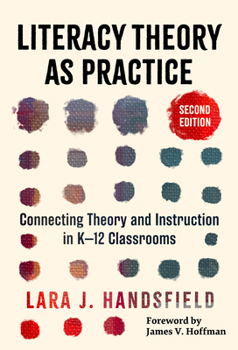
Literacy Theory as Practice: Connecting Theory and Instruction in K-12 Classrooms
No Customer Reviews

This is both a comprehensive overview of major theoretical developments in literacy AND a teaching guide with in-depth classroom examples of how literacy can be used in daily classroom practice.
In this expanded and completely updated second edition, Handsfield introduces the most influential theories and models of reading and literacy--from cognitive and information-processing theories that underpin foundational skills to social constructionist and critical theories that support socially just instructional practices in today's post-digital landscape. Focusing on how these theories connect with different curricular approaches (K-12), the book shows how they both shape and are shaped by everyday literacy practices in classrooms.Readers will find detailed vignettes that bring theory to life in the classroom. Substantial attention is devoted to multilingual classrooms and communities, engaging with current sociopolitical issues in literacy curricula, and literacy teaching in the post-digital age. Chapters contain key questions for further exploration and user-friendly inset discussions that explore complex terminology and connect literacy theory to current debates and world events. New for the Second EditionExamination of theories and practices related to the Science of Reading movement.Addition of the Active View of Reading and Positioning Theory.New and revised vignettes focused on translanguaging practices and student and teacher uses of generative AI in literacy teaching and learning across the disciplines.New and revised inset discussions highlighting recent insights from neuroscience, knowledge-building, and intersections between literacy instruction and social-emotional learning.
Format:Paperback
Language:English
ISBN:0807783749
ISBN13:9780807783740
Release Date:June 2026
Publisher:Teachers College Press
Length:272 Pages
Customer Reviews
0 rating
Copyright © 2026 Thriftbooks.com Terms of Use
| Privacy Policy | Do Not
Sell/Share My Personal Information | Cookie Policy | Cookie Preferences | Accessibility Statement
ThriftBooks® and the ThriftBooks® logo are registered trademarks of Thrift Books Global, LLC
ThriftBooks® and the ThriftBooks® logo are registered trademarks of Thrift Books Global, LLC
