


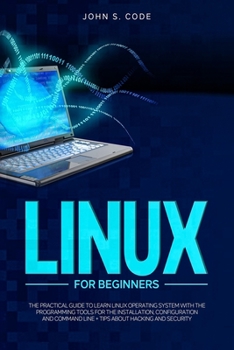
Linux for Beginners: The Practical Guide to Learn Linux Operating System with the Programming Tools for the Installation, Configuration and

The main idea and start of our modern day operating systems was the need to create ISG including them in the use of computer systems (By computer cybernetic system, we mean a set of hardware and software). The computer cybernetic system initially developed for liability solutions and practical problems of users. Because it was difficult to do this with hardware alone, applications were created. These programs required general operations of hardware management, distribution of hardware from resources, and the like. These operations are grouped under a separate layer of software, which is known as the operating system.
Further, the capabilities of operating systems went far beyond the basic set of operations required by applications, but the intermediate position of such systems between applications and hardware remained unchanged.
First off, Linux is often put alongside other operating systems such as Windows and Mac and then directly compared. However, this isn't exactly fair to Linux, in a good way or a bad way. Linux itself is only a kernel; a kernel is the formal core of a given operating system on which everything else rests. The kernel is the core piece of software which powers essential technologies, such as file management systems, basic system processes like time and date information, and things of that nature. The kernel often will work intimately with the motherboard, the RAM, and the other core parts of the computer in order to provide a firm foundation for everything else.
This guide has lots of information that include:
Understanding the dynamics of operating systemsHaving an overview of Linux and its distros.For you to fully use it, you need to set it upHow Linux compares to the other operating systemsWorking with the great CLIThe basic commands that one runs on the terminalsWorking with files and directoriesHow to manage all the usersWho else is dreaming of becoming that individual to penetrate other systems without permissionAnd much more Most of the books on Linux system administration, as great as they are, are simply outdated. They all seem to come from a time when Linux more closely resembled Unix. Even recently released books didn't cover the fundamental shift in how system services are started and managed on modern Linux systems. With every year that passes, every new version of the Linux kernel that is released, and every new Linux distribution update, Linux looks less and less like a traditional Unix system. Now, moreCustomer Reviews
ThriftBooks® and the ThriftBooks® logo are registered trademarks of Thrift Books Global, LLC
