


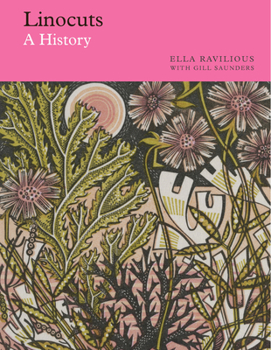
Linocuts: A History

Easier to work with and cheaper than wood, linocut has long enabled artists to create affordable and versatile color prints. This beautifully illustrated book explores the origins of linocuts and presents key proponents of the printmaking technique, from Claude Flight, Sybil Andrews, Edward Bawden, and Cyril Power to modern and contemporary artists such as Pablo Picasso, Leopoldo M ndez, Tayo Quaye, and Grayson Perry, among others. An accessible and eye-catching introduction to the distinctive aesthetics of linocut, it will appeal to those with a love of modern and contemporary art as well as practicing artists everywhere.
Following Screenprints, this second volume in the V&A's printmaking series offers a comprehensive history of linocut, from its emergence in the first decade of the twentieth century and its adoption by experimental modernist artists through to its establishment as a distinct and adaptable contemporary medium. The book celebrates high points of the practice, including the artists associated with the Grosvenor School during the 1920s and 1930s, the Great Bardfield community and, later, the Osogbo School in Nigeria. It also considers the global spread of linocut, and the evolution of new techniques and conversations in the current century, as exemplified by works from artists such as Khaleb Brooks and Thomas Kilpper. Examples are drawn from the extensive collections of the Victoria and Albert Museum, with a contextual and historical introduction followed by a series of thematic chapters.
Customer Reviews
ThriftBooks® and the ThriftBooks® logo are registered trademarks of Thrift Books Global, LLC
