


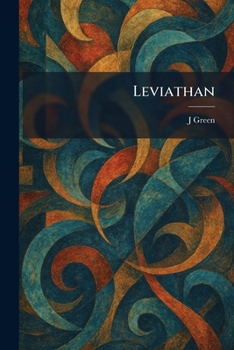
Leviathan

"Leviathan" is a chilling masterpiece of psychological fiction that delves into the darkest recesses of the human soul. Set in a suffocating provincial French town, the narrative follows the interlocking lives of individuals driven by obsessive passions, repressed desires, and a sense of impending doom. At the heart of the story is Gu ret, a man whose unrequited love for the young Ang le spirals into a cycle of violence and despair, illustrating the destructive power of hidden impulses.
Through vivid prose and masterful characterization, J Green explores themes of social isolation and the thin veneer of civilization that masks primal instincts. The novel's atmosphere is thick with tension, capturing the claustrophobia of small-town life where secrets fester and morality is often a casualty of obsession. "Leviathan" remains a significant work of early 20th-century literature, offering a profound and unsettling meditation on the nature of evil and the fragility of the human psyche. This compelling tale of tragic fate and psychological depth continues to resonate with readers interested in the complexities of the human condition and the enduring power of literary noir.
This work has been selected by scholars as being culturally important, and is part of the knowledge base of civilization as we know it. This work was reproduced from the original artifact, and remains as true to the original work as possible. Therefore, you may see the original copyright references, library stamps (as most of these works have been housed in our most important libraries around the world), and other notations in the work.
This work is in the public domain in the United States of America, and possibly other nations. Within the United States, you may freely copy and distribute this work, as no entity (individual or corporate) has a copyright on the body of the work.
As a reproduction of a historical artifact, this work may contain missing or blurred pages, poor pictures, errant marks, etc. Scholars believe, and we concur, that this work is important enough to be preserved, reproduced, and made generally available to the public. We appreciate your support of the preservation process, and thank you for being an important part of keeping this knowledge alive and relevant.
Customer Reviews
ThriftBooks ® and the ThriftBooks ® logo are registered trademarks of Thrift Books Global, LLC
