


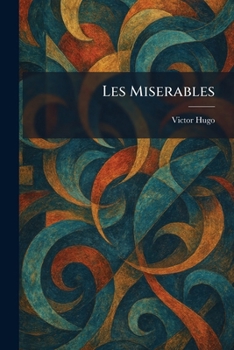
Les Miserables

"Les Miserables" is a monumental masterpiece of nineteenth-century literature, exploring the complex interplay of law, grace, and redemption in post-revolutionary France. The narrative follows the life of Jean Valjean, an ex-convict seeking transformation after serving nineteen years in prison for stealing a loaf of bread. As Valjean strives for a life of virtue, he is relentlessly pursued by the uncompromising Inspector Javert, whose rigid adherence to the law leaves no room for mercy.
Set against the vibrant backdrop of 1830s Paris and the 1832 June Rebellion, the story intertwines the lives of several unforgettable characters, including the orphaned Cosette, the selfless Fantine, and the idealistic revolutionary Marius Pontmercy. Through these diverse perspectives, Victor Hugo examines the profound struggles of the poor and the marginalized, offering a scathing critique of social injustice and the failings of the criminal justice system.
This epic saga is not only a gripping adventure but also a deep philosophical meditation on the nature of love, sacrifice, and the resilience of the human spirit. "Les Miserables" remains a timeless testament to the power of compassion and the possibility of personal and societal change.
This work has been selected by scholars as being culturally important, and is part of the knowledge base of civilization as we know it. This work was reproduced from the original artifact, and remains as true to the original work as possible. Therefore, you may see the original copyright references, library stamps (as most of these works have been housed in our most important libraries around the world), and other notations in the work.
This work is in the public domain in the United States of America, and possibly other nations. Within the United States, you may freely copy and distribute this work, as no entity (individual or corporate) has a copyright on the body of the work.
As a reproduction of a historical artifact, this work may contain missing or blurred pages, poor pictures, errant marks, etc. Scholars believe, and we concur, that this work is important enough to be preserved, reproduced, and made generally available to the public. We appreciate your support of the preservation process, and thank you for being an important part of keeping this knowledge alive and relevant.
Customer Reviews
ThriftBooks ® and the ThriftBooks ® logo are registered trademarks of Thrift Books Global, LLC
