


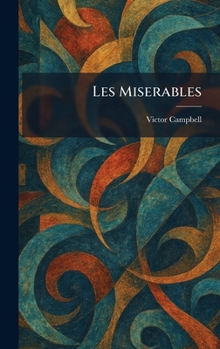
Les Miserables

"Les Miserables" stands as one of the most powerful and enduring masterpieces of nineteenth-century literature. This profound narrative explores the complex intersections of law, grace, and redemption through the life of Jean Valjean, an escaped convict seeking a path to virtue after spending nineteen years in the galleys for stealing a loaf of bread. Set against the turbulent backdrop of post-Napoleonic France and the June Rebellion of 1832, the story weaves together a sprawling cast of characters, including the relentless Inspector Javert, the tragic Fantine, and the heroic young revolutionary Marius.
The work serves as a grand social commentary, detailing the struggles of the urban poor and the rigid structures of the French justice system. It delves deep into the moral dilemmas faced by its protagonists, examining the struggle between good and evil within the human soul. From the barricades of Paris to the quiet transformation of its central figures, "Les Miserables" offers an epic exploration of sacrifice, love, and the persistent hope for social change. It remains a cornerstone of world literature, celebrated for its emotional depth and its timeless plea for human compassion and justice.
This work has been selected by scholars as being culturally important, and is part of the knowledge base of civilization as we know it. This work was reproduced from the original artifact, and remains as true to the original work as possible. Therefore, you may see the original copyright references, library stamps (as most of these works have been housed in our most important libraries around the world), and other notations in the work.
This work is in the public domain in the United States of America, and possibly other nations. Within the United States, you may freely copy and distribute this work, as no entity (individual or corporate) has a copyright on the body of the work.
As a reproduction of a historical artifact, this work may contain missing or blurred pages, poor pictures, errant marks, etc. Scholars believe, and we concur, that this work is important enough to be preserved, reproduced, and made generally available to the public. We appreciate your support of the preservation process, and thank you for being an important part of keeping this knowledge alive and relevant.
Customer Reviews
ThriftBooks ® and the ThriftBooks ® logo are registered trademarks of Thrift Books Global, LLC
