


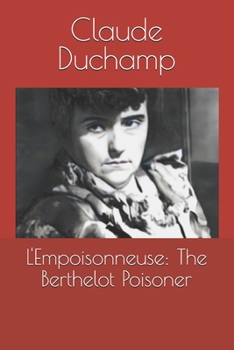
L'Empoisonneuse: The Berthelot Poisoner

In February 1944, Inspecteur Principal Claude Duchamp of the Sûreté Nationale receives a call from Dr. Berthier about a disturbing pattern of deaths in Berthelot, French Algeria. Multiple people have died with identical symptoms suggesting arsenical poisoning, and one woman-Madeleine Mouton-was present at every death.
Duchamp's meticulous investigation reveals that Mouton, a 34-year-old alcoholic gendarme's wife, systematically poisoned at least six people between 1943 and 1944, including her own ten-month-old son, Georges. Her method was insidious: she volunteered as a caregiver to sick neighbors, gained their trust, then administered arsenic disguised in food and drink. Her motives ranged from financial gain (theft, coerced wills, elimination of creditors) to silencing critics and maintaining control.
The investigation uncovers purchased arsenic, death certificates kept as trophies, and toxicology proving infanticide. Six survivors testify to being poisoned after demanding money or investigating her crimes. Following her arrest in April 1944, Mouton is tried, convicted on all counts, and sentenced to death.
Despite appeals and a clemency petition emphasizing her mental illness and alcoholism, President Auriol denies mercy. On April 10, 1948, Madeleine Mouton is executed by guillotine at dawn in Sidi Bel Abbès-the only woman ever executed in French Algeria, and France's second-to-last female execution.
Related Subjects
True CrimeCustomer Reviews
ThriftBooks ® and the ThriftBooks ® logo are registered trademarks of Thrift Books Global, LLC
