


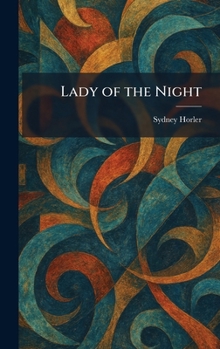
Lady of the Night

"Lady of the Night" is a gripping thriller that plunges readers into the shadowy world of international intrigue and criminal enterprise. Written by Sydney Horler, a master of the early 20th-century "shocker" genre, the story centers on a high-stakes mystery involving high-society secrets and the dangerous figures lurking in the urban underworld. As the narrative unfolds, it captures the tension and suspense characteristic of Golden Age crime fiction, blending elements of detective work with the pulse-pounding excitement of an adventure novel.
The work explores themes of identity, betrayal, and the dual lives led by those operating on the fringes of the law. Horler's signature style-marked by rapid-fire pacing and dramatic plot twists-is on full display here, making "Lady of the Night" a quintessential example of the popular thrillers that captivated audiences during the 1930s. This atmospheric tale of suspense remains an engaging read for those interested in the evolution of the modern crime thriller and the dark allure of vintage mystery fiction.
This work has been selected by scholars as being culturally important, and is part of the knowledge base of civilization as we know it. This work was reproduced from the original artifact, and remains as true to the original work as possible. Therefore, you may see the original copyright references, library stamps (as most of these works have been housed in our most important libraries around the world), and other notations in the work.
This work is in the public domain in the United States of America, and possibly other nations. Within the United States, you may freely copy and distribute this work, as no entity (individual or corporate) has a copyright on the body of the work.
As a reproduction of a historical artifact, this work may contain missing or blurred pages, poor pictures, errant marks, etc. Scholars believe, and we concur, that this work is important enough to be preserved, reproduced, and made generally available to the public. We appreciate your support of the preservation process, and thank you for being an important part of keeping this knowledge alive and relevant.
Customer Reviews
ThriftBooks ® and the ThriftBooks ® logo are registered trademarks of Thrift Books Global, LLC
