


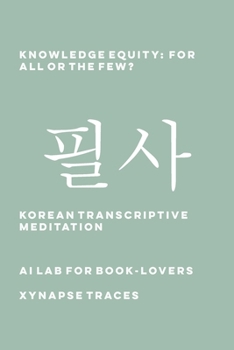
Knowledge Equity: For All or the Few?

In an age where information is boundless, a critical question echoes: Is knowledge a universal right, or a privilege reserved for the few?
The digital revolution promised a world of open access, yet we grapple with escalating educational costs, a persistent digital divide, and the profound influence of commercial platforms shaping what we see and learn. From the prohibitive price of textbooks to the complex ethics of AI in education and the critical need for digital preservation, this book meticulously uncovers the systemic barriers that prevent true knowledge equity. It confronts the challenges of ensuring quality without traditional gatekeepers and highlights the dangers of a potential "digital dark age" where vital information could be lost.
Drawing on insights from leading voices and institutions, "Knowledge Equity: For All or the Few?" delves into the transformative power of Open Educational Resources (OER), the promise of Creative Commons, and the vision of a universal digital library for all mankind. It explores innovative pedagogies that empower learners, the potential of participatory archives, and the ongoing efforts to ensure web accessibility and intellectual freedom. This timely and essential read navigates the intricate landscape between aspiration and reality, providing a comprehensive exploration of both the challenges and the groundbreaking solutions that are democratizing knowledge.
As we stand at the precipice of a future defined by either restricted access or shared wisdom, understanding these dynamics is paramount. This book is not just an analysis; it's an urgent call to action for educators, policymakers, technologists, and every individual who believes in the democratizing power of knowledge. Discover the forces at play and arm yourself with the insights needed to champion a future where knowledge truly belongs to everyone.
Customer Reviews
ThriftBooks ® and the ThriftBooks ® logo are registered trademarks of Thrift Books Global, LLC
