


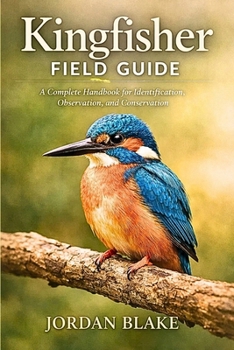
Kingfisher Field Guide: A Complete Handbook for Identification, Observation, and Conservation

Kingfishers are among the most striking and captivating birds in the natural world-brightly colored, fast-moving, and closely tied to water. Whether perched quietly above a stream or diving with precision, they offer a unique window into the connection between wildlife and aquatic environments.
This field guide provides a clear and practical approach to identifying, observing, and understanding kingfishers in their natural habitats. Designed for both beginners and experienced birdwatchers, it helps you move beyond quick sightings and develop real confidence in the field.
Inside, you'll learn how to identify different kingfisher species by their key features, flight patterns, and behavior. Clear explanations help you distinguish between similar species and recognize important details even in brief encounters.
The guide also explores behavior and habitat, giving you insight into where kingfishers live, how they hunt, and how they interact with their environment. Understanding these patterns makes observation more consistent and rewarding.
Practical observation tips are included to help you find and watch kingfishers without disturbing them. Learn how to choose the right locations, read signs of activity, and build patience and awareness in the field.
Conservation is an important part of this guide, offering a broader understanding of how habitat quality, water systems, and environmental changes affect kingfisher populations. This perspective helps you see your observations as part of a larger ecological picture.
Written in a clear and engaging style, this handbook balances accuracy with usability, making it an essential companion for anyone interested in birds and nature.
Inside this guide, you'll learn:
How to identify kingfisher species with confidence
Key visual and behavioral differences between species
Habitat preferences and where to find them
Hunting behavior and feeding patterns
Practical birdwatching and observation techniques
Conservation insights and environmental awareness
Seasonal activity and movement patterns
If you want to experience birdwatching in a deeper, more meaningful way, this guide helps you understand and connect with one of the most vibrant groups of birds in the natural world.
Customer Reviews
ThriftBooks ® and the ThriftBooks ® logo are registered trademarks of Thrift Books Global, LLC
