


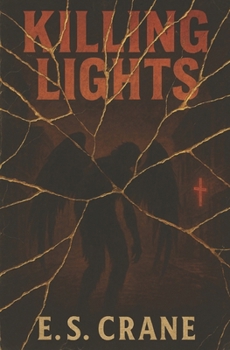
Killing Lights

Killing Lights is a visceral, unflinching descent into trauma, addiction, and the fractured American soul, told through the eyes of Seven-a twenty-something burnout carrying the weight of a past soaked in blood, abuse, and buried memory. Set against the eerie backdrop of post-9/11 California, where paranoia, rage, and nationalism smolder beneath every surface, the novel is a dark meditation on what happens when the ghosts of the past refuse to stay dead-and the monsters of the present wear familiar faces.
Seven lives in a world of distraction-psychedelics, DMT trips, one-night stands, and philosophical debates with his makeshift tribe of friends. But beneath the chemical haze and late-night banter, he's haunted by something far more primal: the disappearance of his younger sister, Lex. The two shared a brutal upbringing, surviving a father whose violence left physical and emotional scars that have never healed. When word arrives that Lex may have fallen into the hands of a neo-Nazi drug lord known only as The Rev, Seven is pulled into a waking nightmare that feels both external and terrifyingly internal.
As Seven digs deeper, reality begins to warp for Lex. Demons-both metaphorical and, possibly, literal-stalk the margins. The lines between trauma and truth blur. A childhood marked by unspeakable sexual abuse and domestic violence rises to the surface, challenging the reader to question whether the monsters Lex sees are hallucinations... or manifestations of very real evil.
Meanwhile, Patel, one of Seven's only true friends, is left hospitalized and blinded after a hate-fueled attack. The message he manages to pass on before slipping into unconsciousness is clear: The Rev has Lex. With this final breadcrumb, Seven has no choice but to descend into the underworld of meth-fueled white supremacist circles and drug trades between the social elite and the gangs-a descent as psychological as it is
physical.
The narrative oscillates between present-day danger and childhood flashbacks, where E.S. Crane's prose takes on a deeply personal tone. Much of the story is pulled directly from Crane's own life-including moments of fantastical horror that are, in fact, true. The result is a story that reads like a fever dream but punches like memoir. Crane penned the novel while working oil rigs, mostly by hand, literally soaked in mud and blood. The authenticity bleeds through every page.Stylistically, Killing Lights evokes the nihilism and raw grit of Cormac McCarthy (No Country for Old Men), the hallucinatory trauma of Denis Johnson (Jesus' Son), and the socio-political dread of early Chuck Palahniuk. But this novel is uniquely Crane's: part literary lament, part crime thriller, part psychological exorcism. Killing Lights is not just a story of one man trying to save his sister-it's a story of a broken country, where every family hides secrets and every city corner may be haunted. It's about what happens when the American Dream turns into a personal hell-and whether redemption is still possible after the lights go out.
Customer Reviews
ThriftBooks ® and the ThriftBooks ® logo are registered trademarks of Thrift Books Global, LLC
