


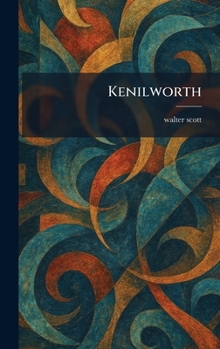
Kenilworth

"Kenilworth" is a seminal work of historical fiction by Sir Walter Scott, set against the backdrop of the vibrant and treacherous court of Queen Elizabeth I. This compelling narrative explores the secret marriage between Robert Dudley, the Earl of Leicester, and the beautiful Amy Robsart. As Dudley seeks to maintain his influence over the Queen and potentially secure his place as her consort, he finds himself trapped in a web of ambition, deceit, and conflicting loyalties.
The novel masterfully captures the atmosphere of the Elizabethan era, from the grand festivities at Kenilworth Castle to the dark intrigues of those vying for power. Scott weaves a tragic tale of love and betrayal, highlighting the tension between personal happiness and political aspiration. Through its vivid characterizations and meticulously researched historical setting, "Kenilworth" remains a profound exploration of human nature and the heavy price of ambition.
As one of Scott's most celebrated "Waverley Novels", this work stands as a testament to his ability to bring history to life. It offers readers a dramatic journey into the heart of the 16th-century English court, making it an essential read for lovers of classic literature and historical drama.
This work has been selected by scholars as being culturally important, and is part of the knowledge base of civilization as we know it. This work was reproduced from the original artifact, and remains as true to the original work as possible. Therefore, you may see the original copyright references, library stamps (as most of these works have been housed in our most important libraries around the world), and other notations in the work.
This work is in the public domain in the United States of America, and possibly other nations. Within the United States, you may freely copy and distribute this work, as no entity (individual or corporate) has a copyright on the body of the work.
As a reproduction of a historical artifact, this work may contain missing or blurred pages, poor pictures, errant marks, etc. Scholars believe, and we concur, that this work is important enough to be preserved, reproduced, and made generally available to the public. We appreciate your support of the preservation process, and thank you for being an important part of keeping this knowledge alive and relevant.
Customer Reviews
ThriftBooks ® and the ThriftBooks ® logo are registered trademarks of Thrift Books Global, LLC
